Can Ziplock Bags Be Used for Food? How to Choose Safe, Contamination-Free Options
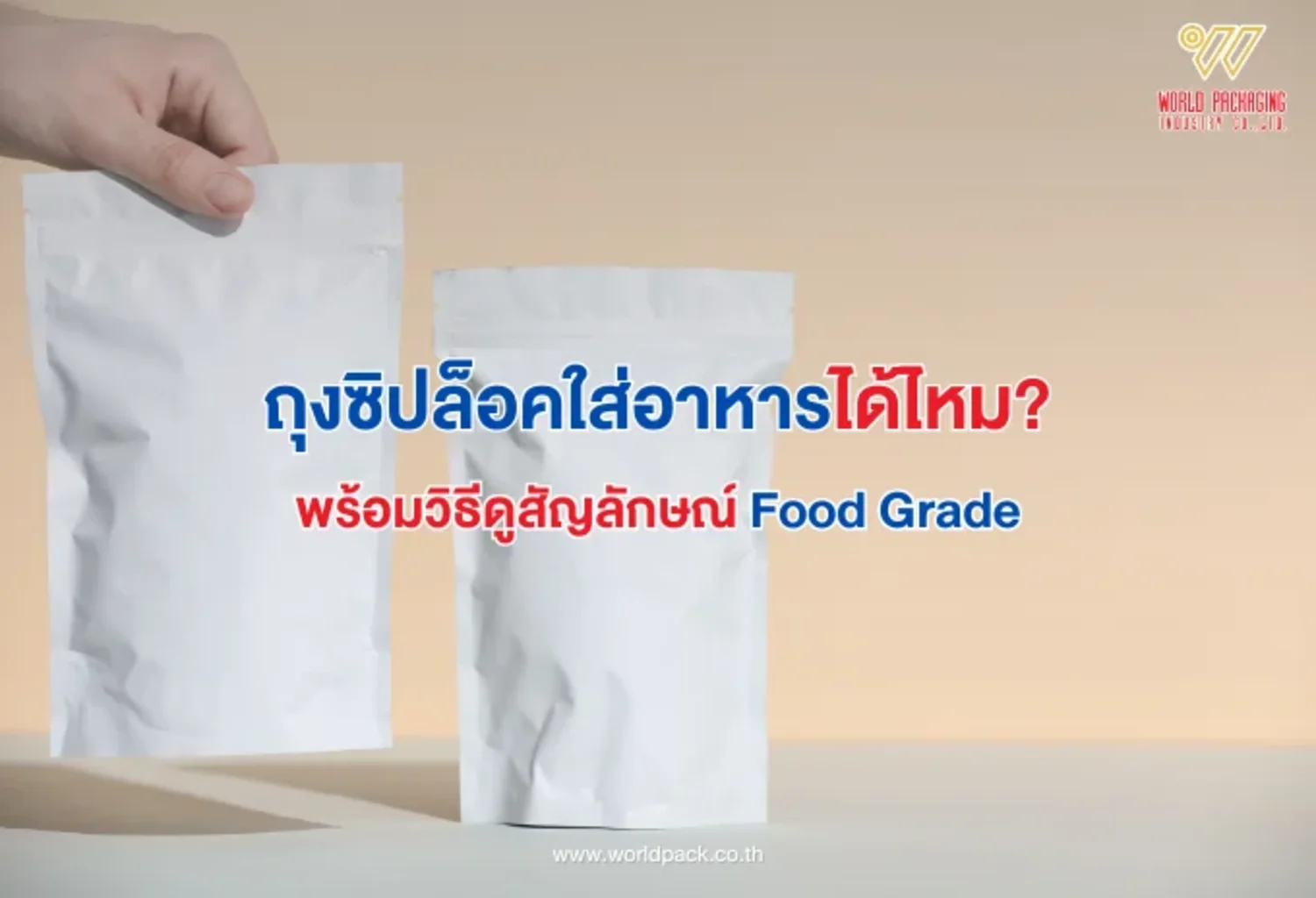
Food safety is something that should never be overlooked. Many people prefer using ziplock bags to store food because they are convenient and easy to find. However, a common question among consumers and business owners is: Can ziplock bags be used for food, and how safe are they?
In this article, World Packaging Industry will guide you to clear and reliable answers, along with tips on how to choose food-grade ziplock bags that meet safety standards—so you can enjoy confidence in every meal for yourself and your customers.
Can ziplock bags be used for food? And which types should be avoided?

Can ziplock bags be used for food?
The answer is “Yes”, but only if they are specifically manufactured for food use (Food Grade). Many people mistakenly believe that all ziplock bags are the same, but in reality, ziplock bags on the market come in different grades. General-purpose ziplock bags used for items like pills, buttons, or stationery may be made from recycled plastics or plastics with chemical residues, which are not suitable for direct contact with food. Therefore, before use, always make sure the bag is a food-grade ziplock bag with proper certification, to prevent harmful contaminants from entering the body.
How to Identify Food Grade Symbols on Food Packaging Bags for Consumer Safety
To ensure that the ziplock packaging you are using is safe for food contact, you can easily check it yourself by looking for symbols and plastic codes printed on the packaging or product label. These are internationally recognized standards accepted worldwide.
Wine Glass and Fork Symbol (Food Safe Symbol)
This is the most clear and reliable international symbol. If you see the wine glass and fork symbol (Food Safe Symbol) printed on the bag or label, it guarantees that the material used is safe for direct contact with food, does not release harmful chemicals, and is suitable for use as a food-grade ziplock bag with confidence.
Check Safe Plastic Types (LDPE, LLDPE, PP, PET)
The type of plastic indicates durability and safety. Common and safe materials for food-grade ziplock bags include:
-
LDPE / LLDPE (Low Density Polyethylene): Soft and flexible, excellent cold resistance, suitable for freezing
-
PP (Polypropylene): Clear and rigid, higher heat resistance than PE, allows clear visibility of food
-
PET (Polyethylene Terephthalate): Very clear and strong, often used in laminated bags for high barrier protection
GMP and HACCP Manufacturing Standards
In addition to materials, the manufacturing process is equally important. Quality food packaging must be produced in factories certified with GMP (Good Manufacturing Practice) and HACCP, which strictly control cleanliness and hygiene at every stage. This ensures that each bag is free from dust, germs, and contaminants before being used for food packaging.
Popular Types of Food Packaging Bags from World Packaging Industry

World Packaging Industry understands diverse business needs. That’s why we manufacture a wide range of food-grade ziplock bags and packaging solutions, precisely designed to suit each product type.
1. Stand Up Pouch for snacks and dry foods
Stand up pouches are the most popular choice for snack brands, cookies, and dried fruits. The pouch can stand upright on shelves, creating strong visual appeal, and features a ziplock closure that helps maintain crispness and freshness. If the product is not fully consumed, customers can easily reseal the pouch without worrying about moisture or insects.
2. Aluminium Foil Pouch for aroma and moisture protection
If your products include coffee beans, tea leaves, or powdered herbs that are sensitive to light and moisture, aluminium foil pouches are the best solution. They provide 100% protection against light, air, and moisture, helping preserve aroma and flavor for a longer shelf life.
3. Vacuum Bag for extended shelf life of fresh foods
Ideal for fresh foods such as meat, sausages, or rice. These bags are made from high-strength nylon (PA), allowing complete air removal during vacuum sealing. This process slows bacterial growth and significantly extends the shelf life of fresh products.
4. Spout Pouch for beverages and liquid products
Spout pouches are an innovative alternative to glass and rigid plastic bottles. They are perfect for fruit juice, salad dressing, or sauces. Easy to use with a screw cap, spill-free pouring, and lightweight design, spout pouches help reduce transportation costs while enhancing user convenience.
Why Entrepreneurs Must Pay Attention to Choosing Standard-Compliant Food Packaging Bags

Choosing packaging is not just about containing products—it reflects responsibility toward consumers and the brand’s image.
Consumer Safety:
Using standard-grade, food-safe ziplock bags helps prevent contamination from carcinogens or chemical residues.
Legal Compliance:
Food packaging must meet the standards set by the Ministry of Public Health. Using compliant packaging makes product registration with the FDA (Food and Drug Administration) easier.
Product Quality Preservation:
High-quality bags help block air and moisture, preventing food from becoming rancid, soggy, or spoiled. This extends shelf life and reduces losses from product returns.
Building Trust:
Food Grade symbols on packaging increase consumer confidence and encourage customers to choose your products.
Frequently Asked Questions (FAQ)
Can ziplock bags be used for freshly cooked or high-temperature food?
Yes, if the bag is made from heat-resistant material such as PP (Polypropylene). However, for maximum safety, it is recommended to let the food cool slightly before packing to prevent deformation of the bag.
Which types of food packaging bags can be safely used in a freezer without cracking?
Bags made from PE (Polyethylene) or Nylon (Vacuum bags) are recommended, as they are flexible and can withstand very low temperatures without becoming brittle.
How are general plastic bags different from industrial-grade food packaging bags?
The difference lies in the purity of plastic resin and the hygienic manufacturing process. Industrial-grade food packaging is free from heavy metals and contaminants, meeting factory safety standards.
Can aluminum foil pouches be used in a microwave?
Absolutely not. Aluminum foil is metal and can cause sparks and serious hazards in a microwave. Food should be transferred to a microwave-safe container before heating.
Article Summary
So, can ziplock bags be used for food? The answer is yes—provided you choose high-quality, Food Grade ziplock bags. Proper selection not only protects consumer health but also enhances your brand’s professional image.
If you are looking for safe and reliable food packaging, World Packaging Industry is ready to be your trusted partner in producing high-quality packaging solutions. Contact us today to order food-grade ziplock bags that meet all your business needs and add value to your products in a highly competitive market.
Line: https://lin.ee/gDrTLlv
Tel: 02-897-1434