Get to Know the Types of Foil Pouches and Techniques for Designing Eye-Catching Packaging
In today’s highly competitive market, packaging no longer serves merely as a protective covering for products. Instead, it acts as the first salesperson that customers encounter. Choosing foil bags has therefore become one of the top choices trusted by leading brands. Not only do they offer a premium appearance, but they also provide outstanding protection for product quality.
In this article, World Packaging Industry will introduce you to material structures and take an in-depth look at 7 popular types of foil bags, helping you find ideas to upgrade your packaging to best suit your business needs.
Why are foil bags the preferred packaging choice for leading brands?
The key reason why businesses in the food, beverage, and skincare industriesนิยม use foil bags lies in their superior high-barrier properties. Aluminum foil materials can completely block the penetration of sunlight, UV rays, oxygen, and moisture. These factors are the main causes of food spoilage, rancidity, and loss of aroma.Using this type of packaging helps extend the product’s shelf life, reduce waste costs, and enhance the brand’s professional image
Why is the material structure used in foil bag production important?
Many people may think that a foil bag is simply a single thin layer of metal. However, in the flexible packaging industry, the actual structure is created by laminating multiple types of plastic films together. Each layer serves a different function, as follows:
Outer Layer: PET or Nylon film – focuses on strength and high-quality printing
This layer is a transparent plastic film that is tough and resistant to scratches. It serves as the surface for gravure printing, allowing foil bags to display sharp, vibrant, and visually appealing colors. It can also be finished with either a glossy or matte coating to create a unique brand identity.
Middle Layer (Barrier Layer): Aluminum Foil (AL) – the core protection against light and moisture
This is the key component of this type of packaging. Aluminum foil acts as an absolute barrier, preventing light, air, and moisture from penetrating and reacting with the product inside. It helps preserve aroma, taste, and freshness perfectly.
Inner Layer (Sealant Layer): PE or CPP plastic – food-grade and safe for direct contact
The innermost layer, which comes into direct contact with the product, is made of plastic film with heat-sealable properties. It is strong, leak-resistant, and most importantly, must be food-grade plastic free from harmful chemicals. This ensures that food and beverages inside the foil bag remain 100% safe for consumers.
Updated: 7 Popular Types of Foil Bags from World Packaging Industry
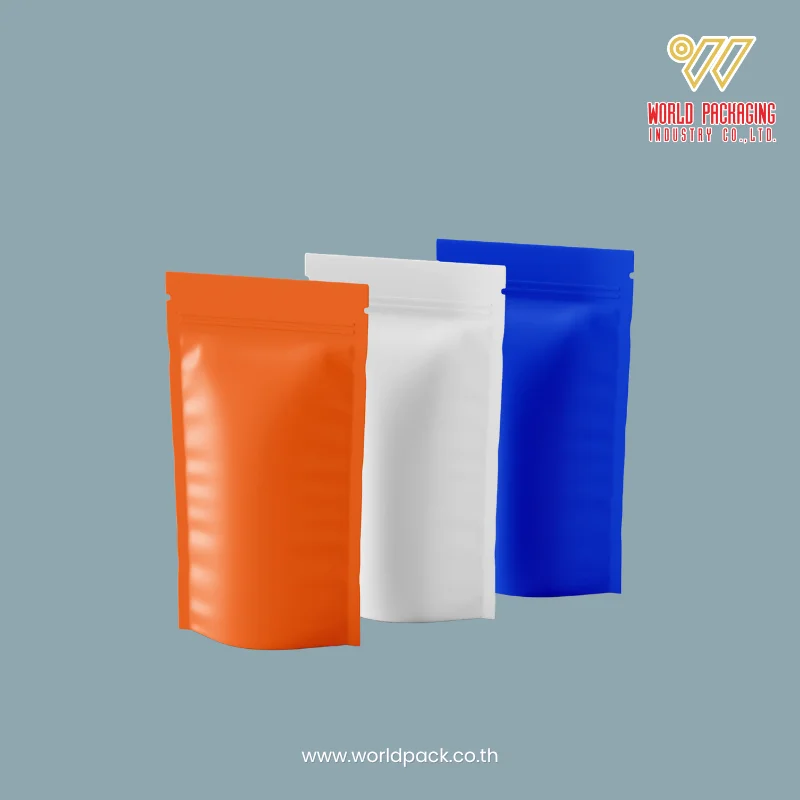
Now that we understand the material structure, let’s explore which foil packaging formats are trending and suitable for your business.
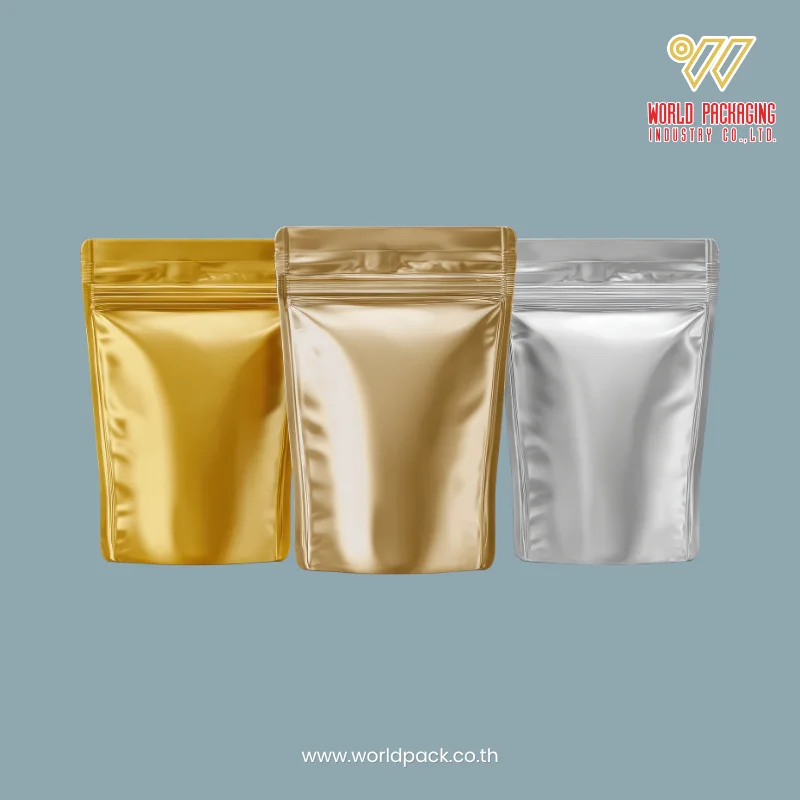
1. Stand-Up Foil Pouch
This is the most popular format. Its design allows the base to expand and stand upright elegantly on shelves without tipping over, helping products stand out. Commonly used for premium snacks, dried fruits, powdered supplements, and even spa products.
2. Ziplock Foil Bag
Often combined with a stand-up design, its key advantage is user-friendliness. Consumers can open and reseal the bag multiple times while keeping the contents fresh and protected from air. Ideal for products not consumed in one sitting, such as nuts, cookies, or pet food.
3. 3-Side Seal Foil Pouch
A flat pouch sealed tightly on three sides (left, right, bottom). It is the most cost-effective and space-saving option. Commonly used for single-serve products like drip coffee, tea sachets, cream sachets, facial masks, or product testers.
4. Center Seal Gusset Foil Bag
Featuring a center back seal with expandable side gussets, this design allows for higher capacity and a neat shape. It is a classic choice often seen in roasted coffee beans, powdered tea, or large snack packages that require nitrogen flushing for protection.
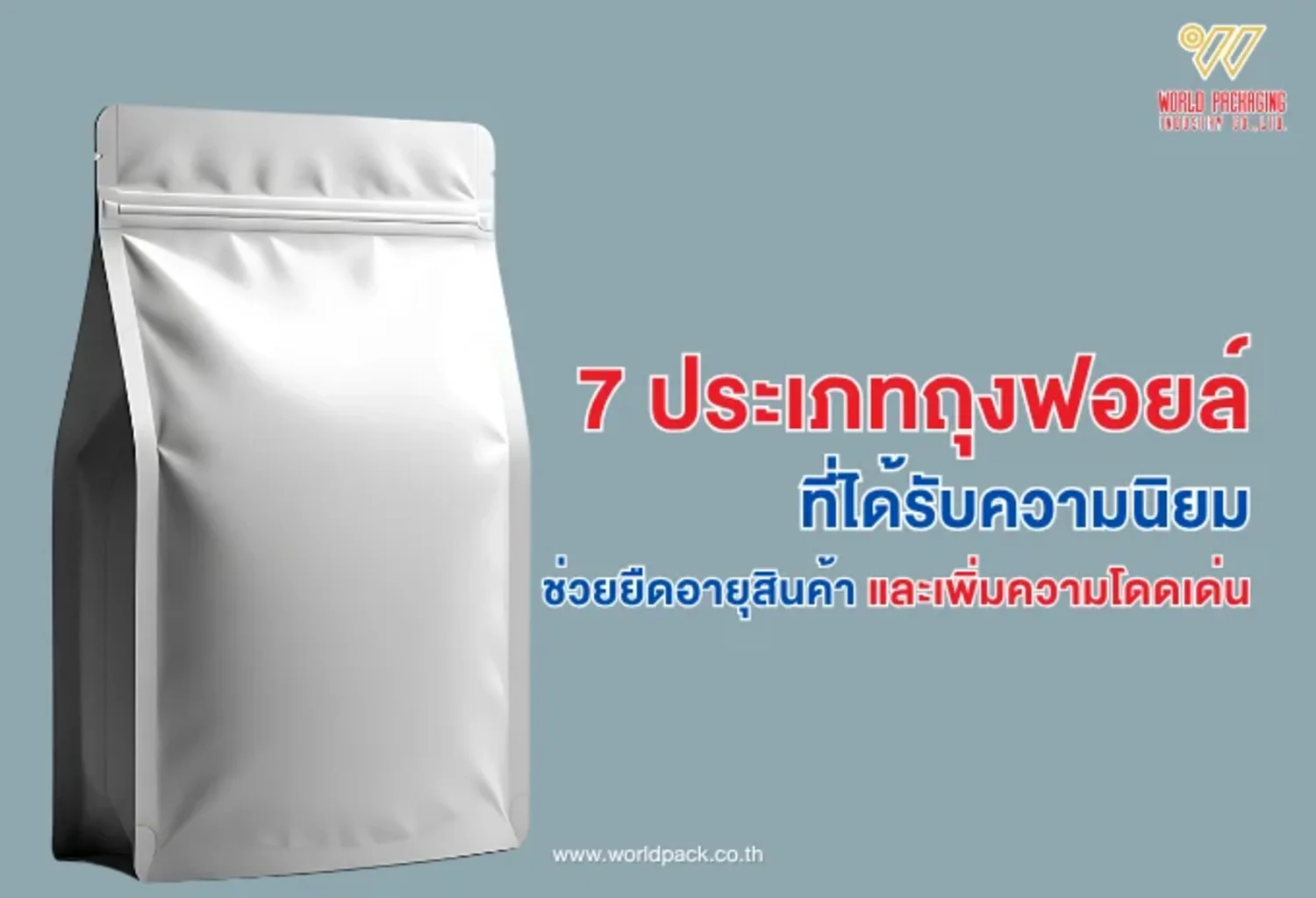
5. Flat Bottom Foil Pouch (Box Pouch)
A premium packaging style with a flat, box-like base that stands firmly. It offers up to five printable surfaces (front, back, left, right, and bottom), making it ideal for high-end products such as specialty coffee beans or organic goods that require a luxurious image.
6. Clear Front & Foil Back Pouch
Perfect for brands that want to showcase the product inside. The front is transparent plastic, while the back is aluminum foil to enhance strength and provide a reflective, premium look. Commonly used for dried meats, fermented sausages, or colorful snacks.
7. Spout Foil Pouch
An innovative solution for liquid or semi-liquid products. A plastic spout is attached to the top or corner, allowing easy pouring, preventing spills, and enabling resealing. It is often used as a cost-saving alternative to plastic bottles for products like liquid detergent, sauces, or cold-pressed beverages.
Techniques for Designing and Choosing the Right Foil Bags to Boost Sales
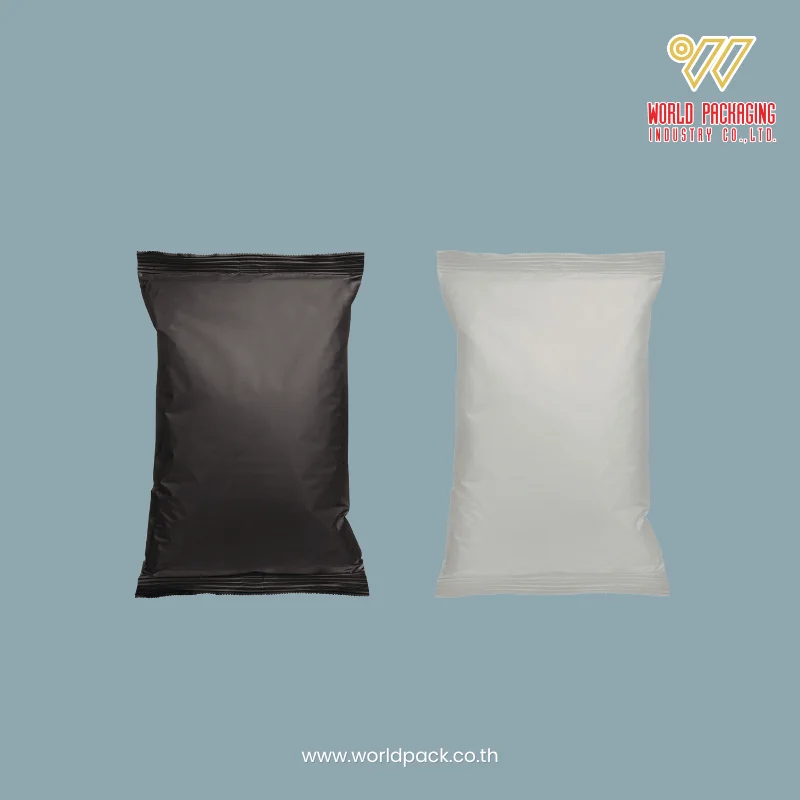
To ensure that packaging effectively drives sales, you should choose the type of foil bag that aligns with consumer usage behavior.
For example, if you are selling small items, a 3-side seal pouch is recommended. If the product is meant to be consumed in portions, a ziplock feature is more suitable.
In addition, attractive design plays a crucial role. Choosing a matte finish for a premium look or a glossy finish for eye-catching appeal can significantly influence customers to pick your product and add it to their cart.
Conclusion
Choosing foil bags is a worthwhile investment for businesses. Not only do they help preserve product quality and extend shelf life until reaching customers, but their variety of shapes and high-quality printing also enhance brand image, making it look premium and stand out from competitors.If you are looking for a high-quality plastic packaging manufacturer, World Packaging Industry is ready to provide consultation and create packaging solutions that drive your business success.
Line: https://lin.ee/gDrTLlv Tel: 02-897-1434