In-Depth Guide to the 7 Plastic Symbols for Accurate Recycling
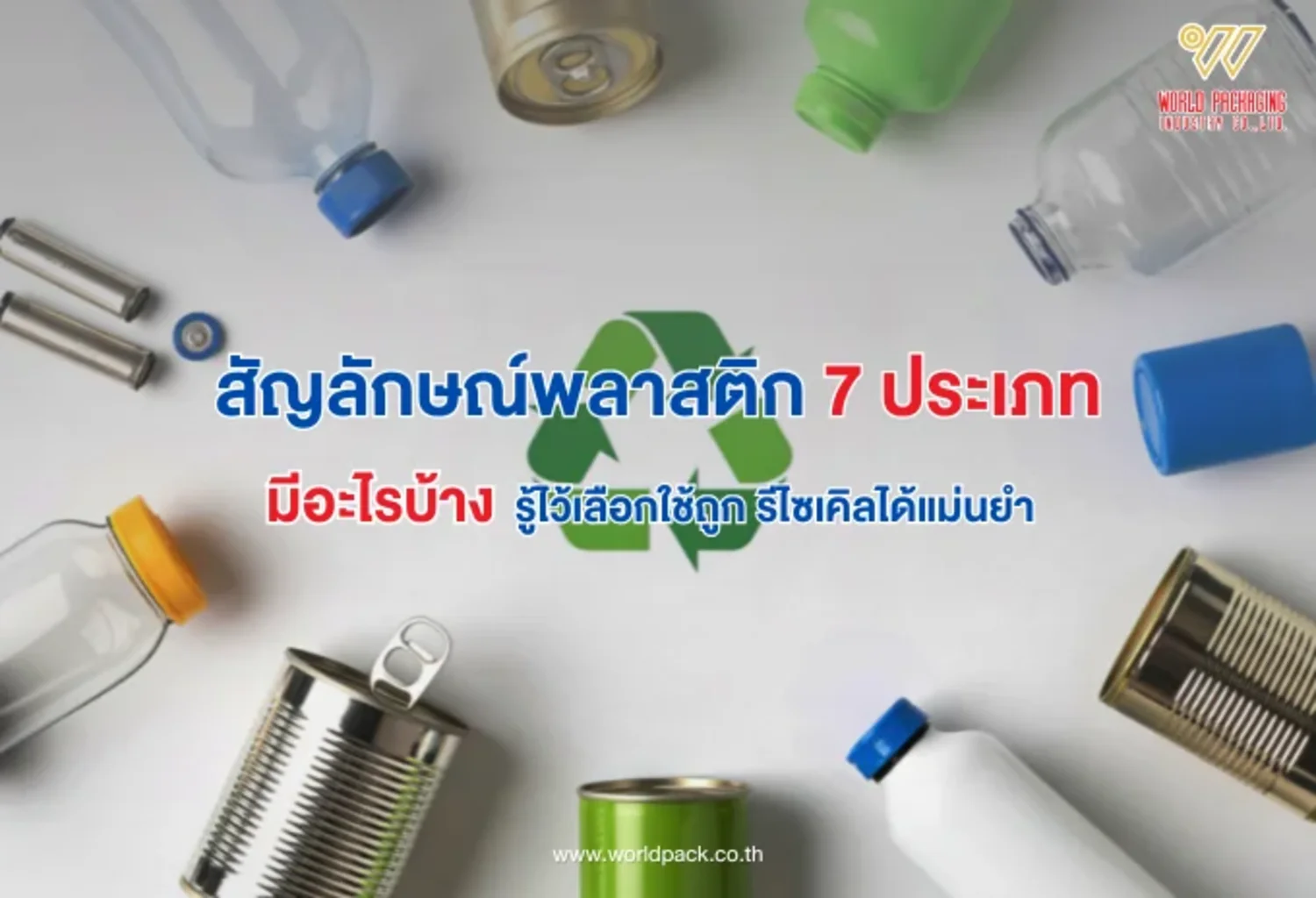
In everyday life, it is undeniable that plastic plays an important role in almost every activity, especially in the form of product packaging. But have you ever noticed that at the bottom of water bottles, food containers, or snack packages, there is often a triangular symbol with a number inside? These symbols are known as Plastic Resin Codes, and they carry important hidden meanings. Understanding these codes is not something distant or complicated; rather, it is a key that helps us choose, use, and manage plastic waste correctly and sustainably.
Why Entrepreneurs and Consumers Need To Understand Plastic Symbols
For brand owners and consumers, understanding the meaning of the numbers 1–7 inside the triangular plastic symbols is not only about environmental responsibility. It also has a direct impact on food packaging safety and overall quality of life. Each type of plastic has different properties in terms of heat resistance and chemical protection.
Using the wrong type of plastic—such as placing non-heat-resistant plastic in a microwave—can cause harmful chemicals to leach into food. In addition, understanding plastic symbols helps make waste separation for recycling easier and more efficient, reduces the amount of waste sent to landfills, and enhances a positive and responsible brand image.
Unlocking the Guide: What Are the 7 Types of Plastic Symbols?

To help you choose with confidence, let’s take a closer look at the international standards behind the 7 types of plastic symbols—what each number represents and the key properties of each plastic type.
1. PETE or PET (Polyethylene Terephthalate)
Plastic code No.1 is a clear, strong plastic with good impact resistance and excellent gas barrier properties. It is commonly used for drinking water bottles, soft drink bottles, and cooking oil bottles. PET is the easiest plastic to recycle and is often processed into synthetic fibers for clothing or carpets.
2. HDPE (High Density Polyethylene)
Plastic code No.2 is a high-density plastic with a cloudy appearance, high strength, and excellent chemical resistance. It is commonly used for shampoo bottles, milk bottles, detergent containers, and plastic bags. HDPE can be recycled into pipes, plastic crates, or plastic lumber.
3. PVC (Polyvinyl Chloride)
Plastic code No.3, commonly known as PVC, is available in both rigid and flexible forms. It is widely used for water pipes, hoses, food wrap films, and credit cards. Despite its versatility, PVC is difficult to recycle and may release toxic substances when burned, making it unsuitable for direct food and beverage packaging.
4. LDPE (Low Density Polyethylene)
Plastic code No.4 is a low-density plastic that is highly flexible, soft, and transparent. It is commonly used for plastic bags, garbage bags, shrink films, and bubble wrap. Although it is harder to recycle than PET and HDPE, modern technology allows LDPE to be reused in products such as garbage bags or floor covering films.
5. PP (Polypropylene)
Plastic code No.5 offers the highest heat resistance among common plastics and is microwave-safe. It is widely used for food containers, plates, bowls, yogurt cups, and as a key material layer in certain flexible packaging that requires durability. PP can be recycled into battery cases or plastic brooms.
6. PS (Polystyrene)
Plastic code No.6 is hard and brittle, easily broken, and commonly known as “foam.” It is used for foam food containers, hot coffee cups, and disposable plastic cutlery. PS is extremely difficult to decompose and not cost-effective to recycle, making it one of the plastics that should be avoided whenever possible.
7. OTHER (Other Plastics and Mixed Plastics)
Plastic code No.7 refers to plastics that do not fall into the previous six categories or are made from mixed materials (composite or multilayer), such as polycarbonate (PC) or laminated pouches that combine multiple films to maximize the benefits of each material.
Check before you choose! Which plastic symbols are recyclable and environmentally friendly?

After understanding the 7 types of plastic symbols, the next important step is knowing which types are actually recyclable in general waste management systems. This knowledge helps us choose packaging options that are truly environmentally friendly.
Easy to recycle and highly in demand:
Code No.1 (PET) and Code No.2 (HDPE)
Recyclable (but requires proper separation and specific collection points):
Code No.4 (LDPE) and Code No.5 (PP)
Difficult to recycle / not cost-effective:
Code No.3 (PVC), Code No.6 (PS), and Code No.7 (Other). These types usually require specialized waste treatment facilities or are processed through energy recovery instead.
So, which category does Flexible Packaging from World Packaging Industry belong to?

Flexible Packaging and Plastic Code No.7 (OTHER)
For flexible packaging such as foil pouches, zipper bags, and snack packaging—areas of expertise at World Packaging Industry—most products are classified under Plastic Code No.7 (OTHER).
Understanding Laminated Pouch Structures and Plastic Code No.7 (Other)
The reason this type of packaging falls under the Other category is its multilayer structure, which combines different plastic films through lamination. For example, the outer layer may be PET for high-quality printing and visual appeal, the middle layer AL (Aluminium Foil) for excellent light and oxygen barrier properties, and the inner layer LLDPE for direct food contact.
This combination creates packaging that is significantly stronger and more protective than single-layer plastics. It helps extend product shelf life and effectively reduces food waste.
Sustainable Plastic Packaging Trends
However, global packaging trends are increasingly focused on sustainability. As a result, World Packaging Industry is committed to developing mono-material packaging, which uses a single type of material throughout the pouch (such as all-PE or all-PP structures).
Mono-material packaging is easier to recycle and can shift packaging from Plastic Code No.7 to Code No.4 (LDPE) or Code No.5 (PP)—both of which are far more compatible with existing recycling systems.
Frequently Asked Questions (FAQ)
Which plastic codes are safest for food packaging?
Plastic Codes 1 (PET), 2 (HDPE), 4 (LDPE), and 5 (PP) are considered food-grade and safe, provided they are used at appropriate temperatures.
What plastic code do zipper bags and foil pouches fall under?
Most zipper bags and foil pouches fall under Plastic Code No.7 (OTHER) due to their laminated, multilayer structure. However, simple clear zipper bags made from a single material are usually Code No.4 (LDPE).
Can Plastic Code No.7 be recycled?
Recycling Code No.7 plastics is difficult in general recycling systems. They are usually sent to specialized facilities for disposal, converted into refuse-derived fuel (RDF), or processed into construction materials.
Which plastic can be safely used in a microwave?
Plastic Code No.5 (PP) is the only common plastic that can withstand high temperatures and is safe for microwave use.
Conclusion: Understanding Plastic Symbols—The First Step Toward a Sustainable Brand
Understanding plastic symbols is not complicated, but it is a crucial foundation for choosing packaging that balances functionality, safety, and environmental responsibility.
If you are a business owner looking for high-standard packaging, food-safe materials, and expert guidance on selecting the right packaging structure, World Packaging Industry is ready to support your business.
Contact us today to produce cosmetic and product packaging that meets every requirement and adds value to your brand in today’s competitive market.
- Line: https://lin.ee/gDrTLlv
- Tel: +66 2-897-1434