Flexible Packaging: importance and benefits businesses should not ignore
Flexible Packaging, or flexible packaging solutions, is one of the most widely adopted innovations in the packaging industry today. Its ability to adapt to a wide range of products, along with its efficiency in reducing production and logistics costs, makes it a preferred choice for many businesses. This article highlights the importance of Flexible Packaging and explains why companies should consider adopting this packaging format to enhance operational efficiency and strengthen market competitiveness.
1. Lightweight and Reduced Transportation Costs
Flexible Packaging is significantly lighter than rigid packaging such as glass bottles or metal cans. This allows businesses to transport larger quantities per shipment, effectively reducing transportation and logistics costs. Additionally, lightweight packaging reduces energy consumption during transportation, helping businesses lower long-term expenses and reduce carbon dioxide emissions associated with product distribution.
2. Design and Functional Flexibility
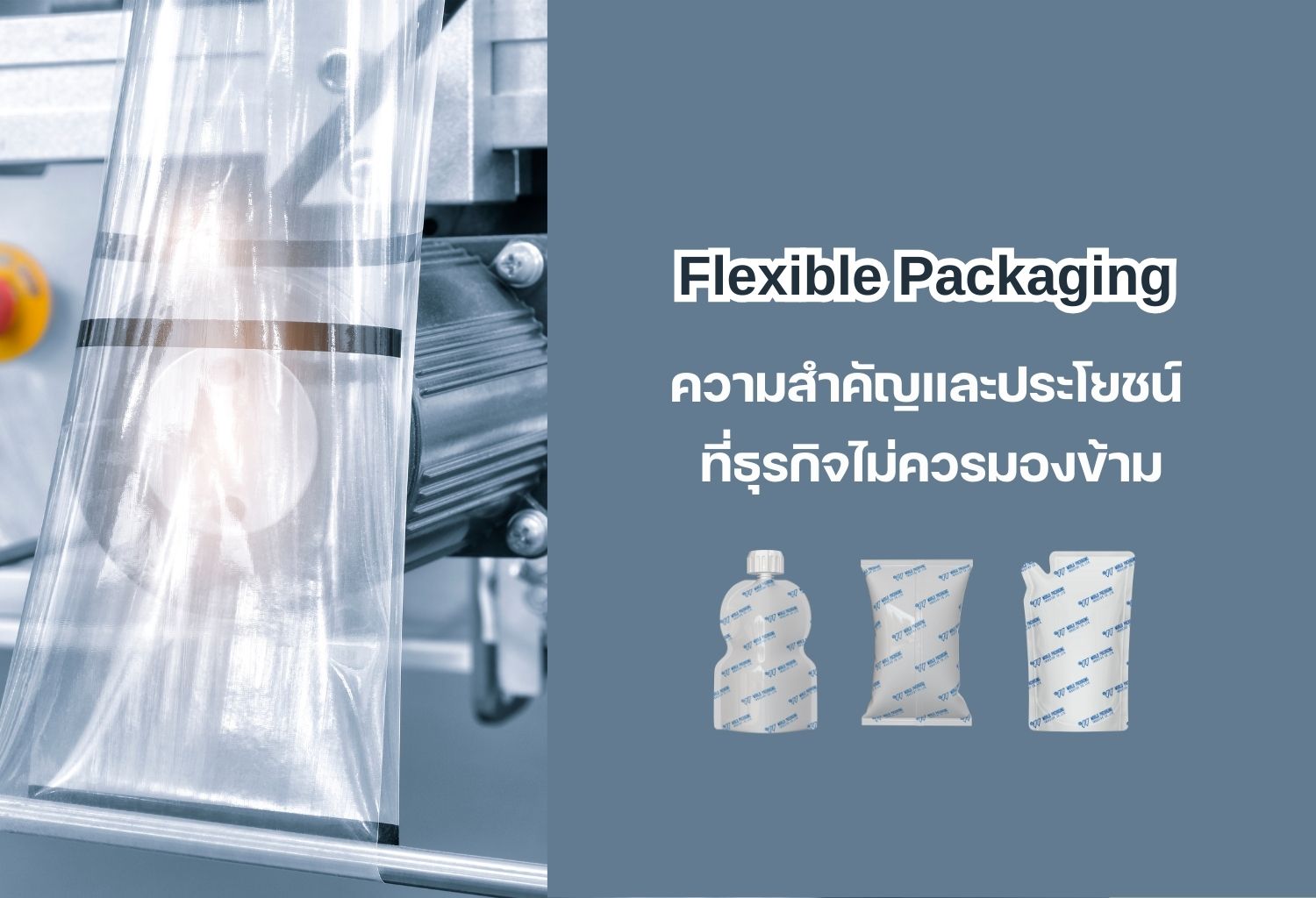
Flexible Packaging can be easily customized to suit different product types, including stand-up pouches, three-side seal pouches, center-seal pouches, and spouted pouches. This flexibility allows manufacturers to select packaging that best meets product requirements and consumer needs. Moreover, flexible packaging can be produced in various sizes and shapes, improving storage efficiency and enhancing user convenience.
3. Extended Product Shelf Life
Materials used in Flexible Packaging often provide effective barriers against light, moisture, and oxygen, helping extend product shelf life—especially in food and cosmetic industries where product quality preservation is critical. Additional protective layers, such as aluminum foil or moisture-resistant films, can be incorporated to further enhance preservation performance.
4. Environmentally Friendly and Reduced Plastic Waste
Although Flexible Packaging is made from plastic, it generally requires less material than rigid packaging, reducing waste volume and energy usage during production. It can also be designed using recyclable materials to align with sustainability-focused markets. Furthermore, refillable flexible packaging solutions help reduce single-use plastic consumption, supporting environmentally responsible business practices.
5. Enhanced Consumer Convenience
Flexible Packaging improves user experience through features such as resealable zipper closures and spouted pouches that allow easy pouring of liquids. These conveniences increase customer satisfaction and strengthen brand perception. Additional design features, such as tear notches, handles, or dispensing openings, further enhance usability and encourage repeat purchases.
6. High-Quality Printing and Eye-Catching Design
Flexible Packaging supports gravure printing, enabling sharp graphics, vibrant colors, and detailed designs. This allows brands to create distinctive packaging that attracts consumer attention. Modern printing technologies also support matte finishes and anti-counterfeiting features, adding value to products and helping brands stand out in competitive markets.
Flexible Packaging is a future-ready solution for today’s packaging industry. Its cost efficiency, convenience, extended shelf life, and design flexibility make it an ideal choice for businesses seeking high-performance packaging solutions. With its compatibility with modern printing technologies, Flexible Packaging is a strategic investment businesses should not overlook.
If you are looking to produce high-quality packaging, contact World Packaging Industry Co., Ltd. for expert consultation. We offer customized packaging design and production using advanced printing technology and premium materials to ensure your products stand out and appeal to consumers.