Know for Safety: What Do Expiry Date Abbreviations on Packaging Mean?
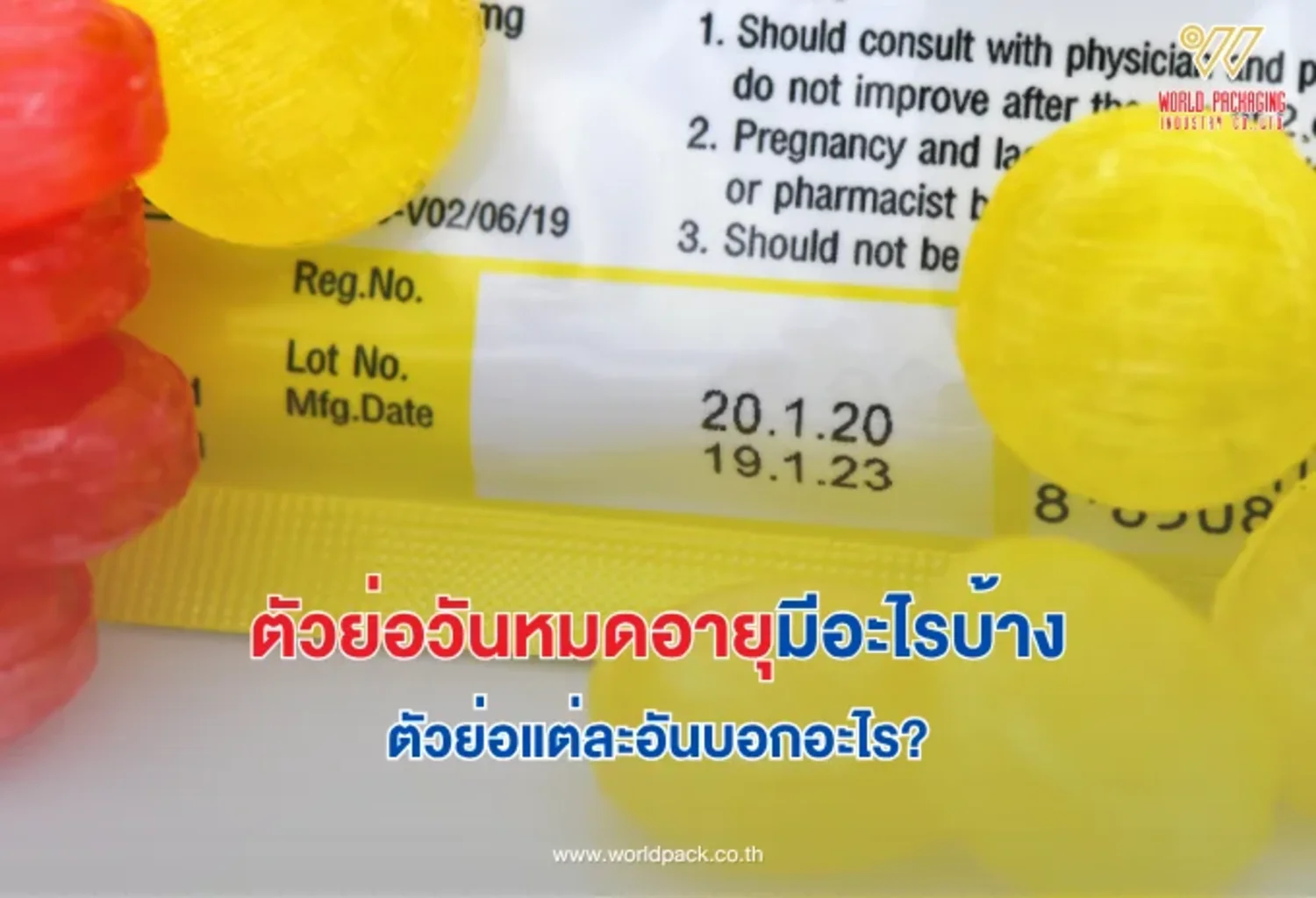
When we pick up a product—whether it’s snacks, dietary supplements, or cosmetics—the first thing most of us look for is the manufacturing date and expiration date. This helps ensure the product’s safety and quality. However, many people often feel confused by the short English abbreviations printed on packaging.
In this article, World Packaging Industry will guide you through the most common expiry date abbreviations, what each one means, and how both consumers and business owners can understand and use them correctly.
Why Understanding Expiry Date Abbreviations Matters
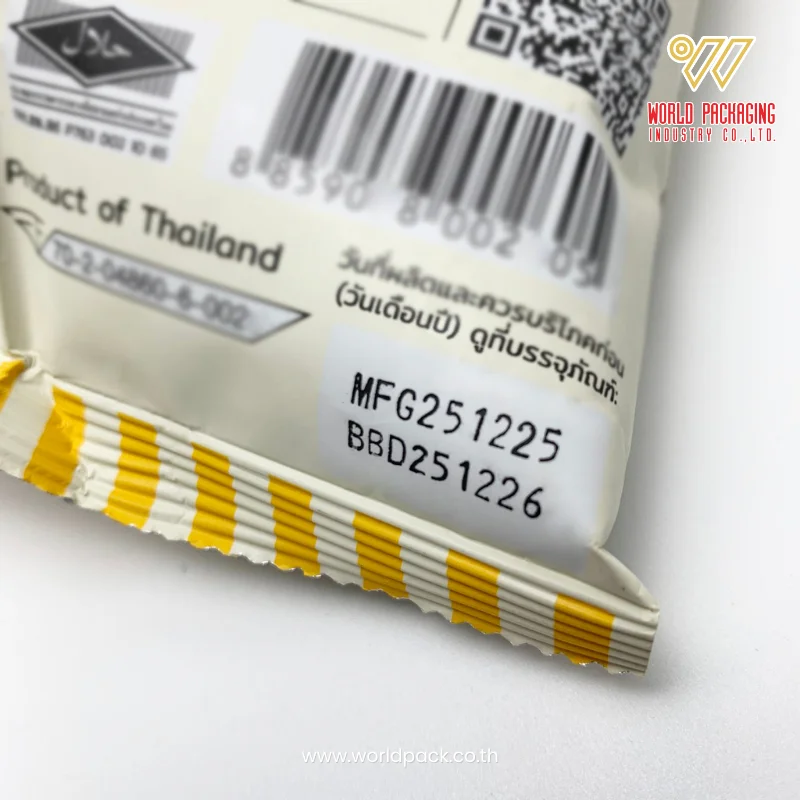
Understanding expiry date abbreviations is not just about avoiding spoiled food. For consumers, it is a basic right to choose products that are safe and of high quality.
From a business perspective, clearly displaying expiry date information on packaging is a legal requirement regulated by the Food and Drug Administration (FDA). It also helps build credibility, demonstrates transparency, and reduces the risk of legal disputes in case products deteriorate prematurely.
What Do Expiry Date Abbreviations Mean?
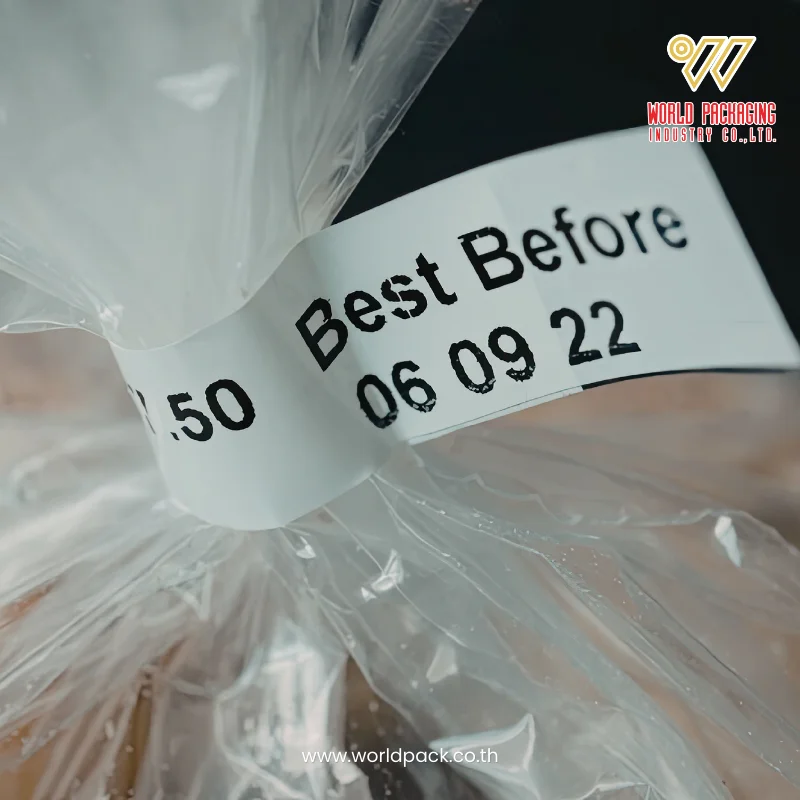
On plastic packaging or product labels, you will often see English abbreviations alongside numbers indicating the date, month, and year. These abbreviations follow international standards to ensure consistent communication worldwide. Let’s take a closer look at the most common abbreviations found on store shelves and what they mean.
1. EXP or EXD (Expiry Date / Expiration Date) – Expired
EXP or EXD stands for Expiry Date or Expiration Date, which directly means the date after which the product should no longer be used or consumed.
If a product has passed its EXP date, it should not be consumed under any circumstances, as it may contain harmful microorganisms, bacteria, or chemical changes that could affect health.
2. BB or BBD (Best Before / Best Before Date) – Best Consumed Before
BB or BBD stands for Best Before or Best Before Date. This term is often misunderstood.
It indicates the period during which the product maintains its best quality in terms of taste, smell, and texture. After this date, the product may lose some quality but is still generally safe to consume—provided there are no signs of spoilage such as unusual odor or color changes.
3. MFG or MFD (Manufacturing Date / Manufactured Date) – Production Date
Although not an expiry date, MFG or MFD (Manufacturing Date) is often printed alongside expiry information. It indicates the date the product was produced.
This helps consumers understand the product’s age, especially for items without a clearly defined expiration date, such as certain skincare products that may specify usage duration (e.g., 2 years from the manufacturing date).
Key Difference: EXP vs BB
The difference between EXP and BB lies in safety vs quality:
-
EXP (Expiry Date):
A strict safety deadline. Products must not be consumed after this date. Commonly used for fresh food, medicine, and supplements.
-
BB (Best Before):
A quality guideline. Products may still be safe after this date but might lose freshness or texture. Commonly used for snacks and dry foods.
A strict safety deadline. Products must not be consumed after this date. Commonly used for fresh food, medicine, and supplements.
A quality guideline. Products may still be safe after this date but might lose freshness or texture. Commonly used for snacks and dry foods.
Understanding this difference helps reduce unnecessary food waste.
High-Quality Packaging from World Packaging Industry
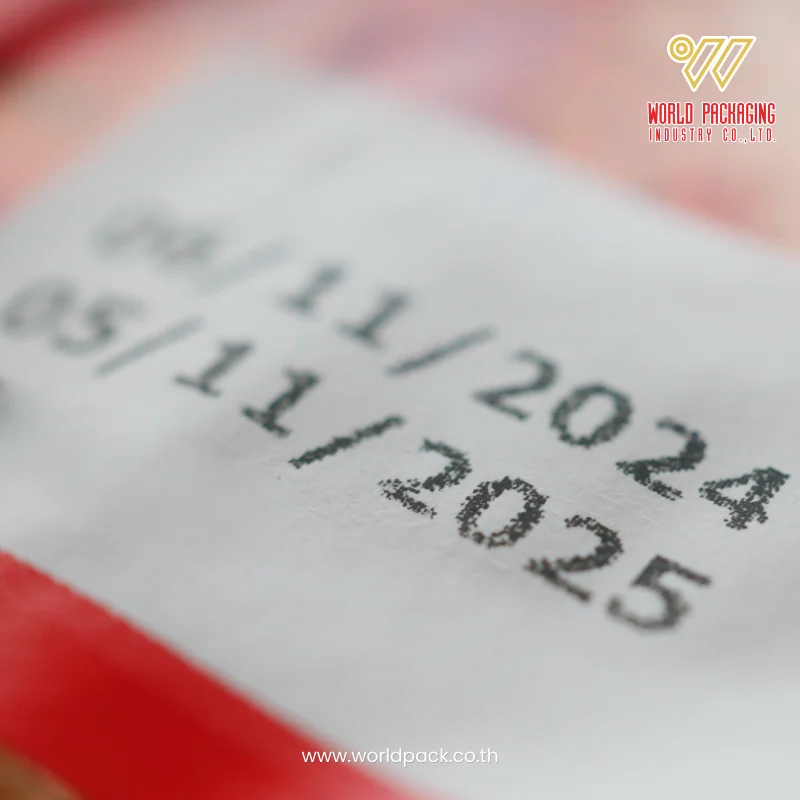
Clear information is important—but it’s useless if the packaging cannot preserve it. As a leading plastic packaging manufacturer, World Packaging Industry understands that expiry date printing must withstand handling, moisture, and transportation.
We develop packaging solutions that ensure printed information remains sharp and durable.
Laminated and Foil Pouches
Our laminated and aluminum foil pouches feature smooth surfaces that hold ink exceptionally well. Whether using inkjet, laser printing, or heat stamping, the printed expiry dates remain clear and resistant to smudging—even in cold or humid conditions.
Ziplock Bags and Stand-Up Pouches
In addition to excellent printability, our ziplock and stand-up pouches provide strong protection against air and light. The secure sealing helps extend product shelf life, supporting longer validity periods and reducing product waste—ultimately increasing your business efficiency.
Frequently Asked Questions (FAQ)
Can products past the BB (Best Before) date still be consumed?
Yes, as long as the packaging is intact and there are no signs of spoilage in smell, color, or taste.
What expiry formats are commonly used in cosmetics and skincare?
Typically MFG (manufacturing date) and EXP (expiration date), along with the PAO (Period After Opening) symbol, such as 12M (12 months after opening).
Where are expiry dates usually printed on packaging?
They are commonly found at the bottom seal, along the edges, or on the back corner of the packaging to ensure visibility without disrupting the design.
Conclusion
Understanding expiry date abbreviations helps consumers choose safe products and allows brands to communicate product standards clearly.
Beyond accurate labeling, selecting high-quality packaging plays a crucial role in preserving product quality over time.
If you are looking for plastic packaging that combines both aesthetics and functionality, World Packaging Industry is ready to provide expert consultation and the best packaging solutions for your business.
Contact Us
Line: https://lin.ee/gDrTLl
Tel: +66 2-897-1434