What Is Flexible Packaging? Stories You May Not Know

In today’s world, where environmental awareness and convenience are increasingly important, packaging selection must continuously evolve to meet changing demands. One type of packaging that has gained significant popularity is “Flexible Packaging.” Many people may not yet be familiar with this term or may not fully understand it. Therefore, let’s take a closer look at flexible packaging and gain a clearer understanding of what it is.
What Is Flexible Packaging?
Flexible packaging refers to packaging that can adapt its shape according to the product inside. It is made from flexible materials such as plastic films, aluminum foil, and composite materials, which can be folded, bent, or rolled as needed—unlike rigid packaging such as boxes or bottles that maintain a fixed shape.
Advantages of Flexible Packaging
High flexibility:
Its flexible design allows customization of size and shape, helping reduce material usage and overall packaging volume.
Lightweight:
Made from thin and flexible materials, flexible packaging is lighter than other packaging types, reducing transportation costs and energy consumption.
Durability:
Despite its lightweight appearance, flexible packaging is resistant to tearing and impact, effectively protecting the products inside.
Product quality preservation:
The materials used in flexible packaging provide excellent barriers against air, moisture, and light, helping extend product shelf life.
Convenience of use:
Flexible packaging is easy to open and close, and some types are reusable, enhancing consumer convenience.
Flexible Packaging Production Process
Material selection:
Flexible packaging uses various materials such as plastics (PE, PP, PET), aluminum foil, and composites. Each material has specific properties suitable for different products.
Printing:
Printing is a key step in attracting consumers. One commonly used technology in flexible packaging is gravure printing, which offers vibrant and high-quality colors.
Coating and laminating:
Coating and laminating enhance special properties such as water resistance, air barriers, and increased strength.
Cutting and forming:
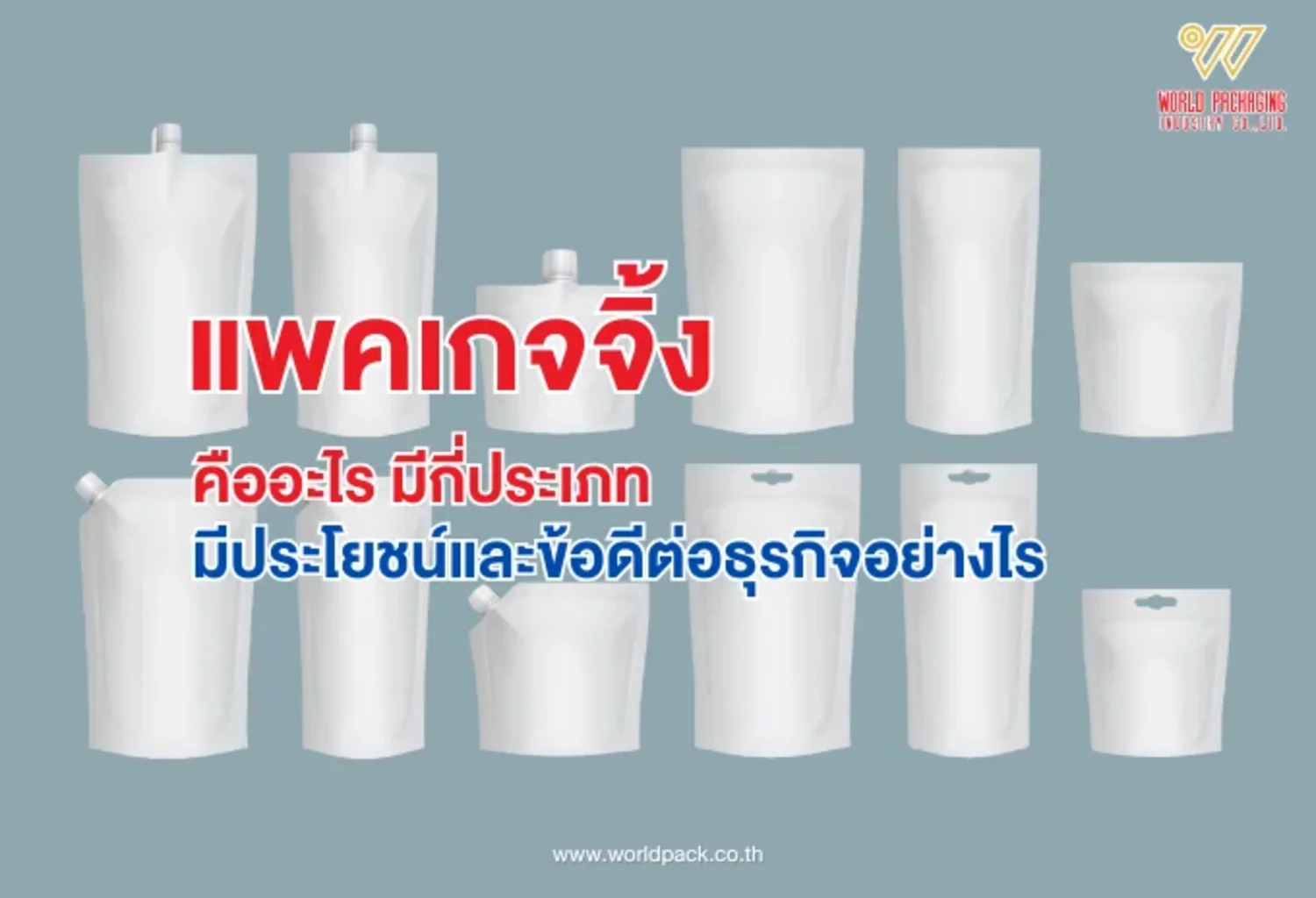
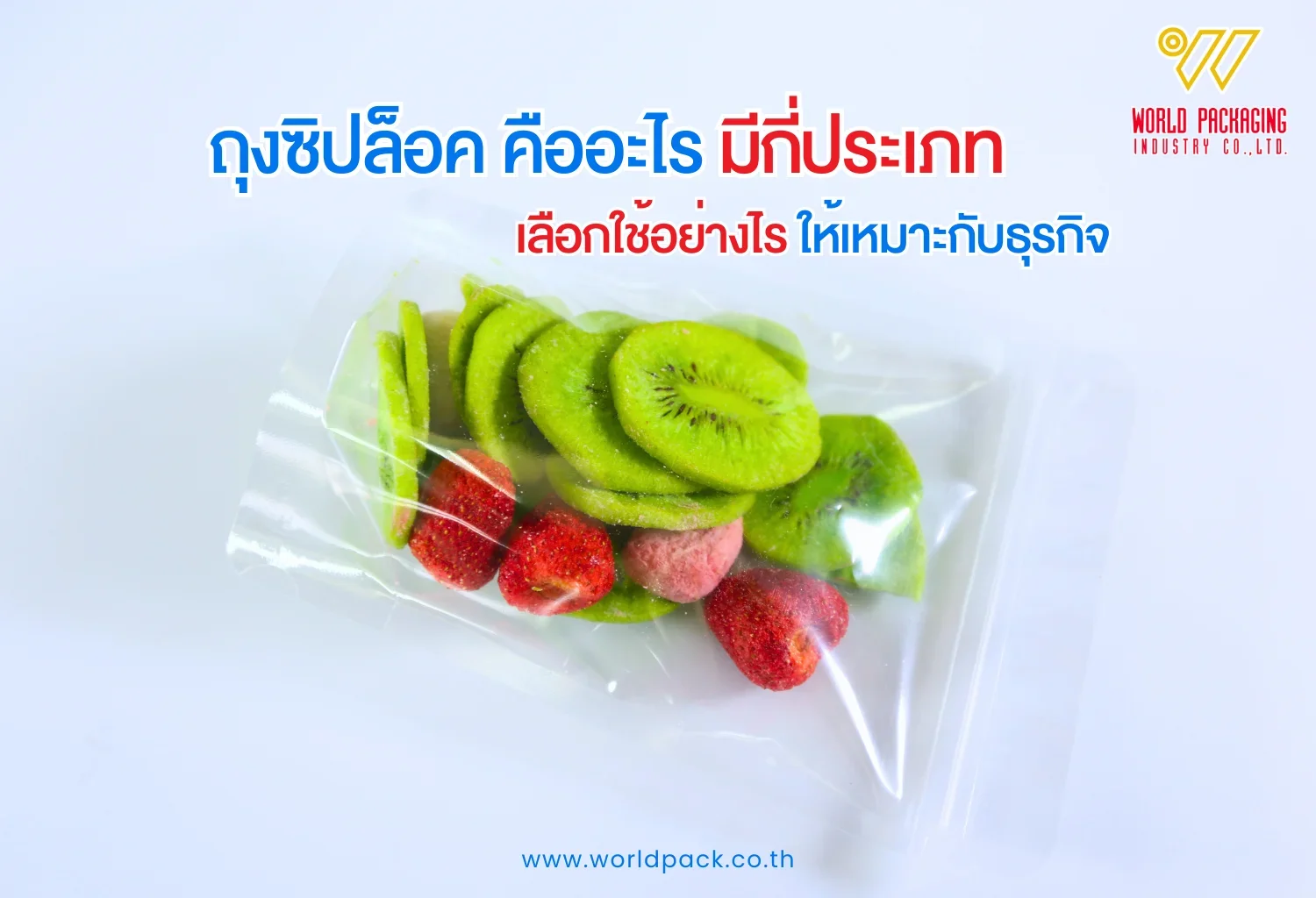
After printing and laminating, materials are cut and shaped into the desired packaging formats, such as stand-up pouches, zipper pouches, or refill pouches.
Quality inspection:
Before delivery, packaging undergoes strict quality checks to ensure accuracy and functionality.
Applications of Flexible Packaging Across Industries
Flexible packaging is highly versatile and widely used across many industries, including:
Food and beverage industry:
Used for snacks, coffee, tea, fruit juices, and dry foods due to its freshness preservation and convenience.
Cosmetics and personal care industry:
Protects products from contamination and degradation while offering portability and ease of use.
Pharmaceutical and health products industry:
Commonly used for medicines, vitamins, and dietary supplements due to excellent moisture and air barrier properties.
Chemical industry:
Used for packaging cleaning agents, fertilizers, and agricultural chemicals because of its leak resistance and contamination prevention.
The Future of Flexible Packaging
In the future, flexible packaging is expected to continue growing and evolving, driven by the development of eco-friendly materials, advanced printing technologies, user-focused designs, and changing consumer demands.
Research and development of biodegradable and environmentally friendly materials will play a crucial role in reducing environmental impact and positioning flexible packaging as a sustainable choice for the future.
Flexible packaging offers versatility and flexibility across industries. With advantages such as lightweight structure, durability, and excellent product protection, flexible packaging has become a preferred solution. Join us at World Packaging Factory to create outstanding packaging solutions and deliver the best experience to your customers.