How to Create the “Right” Packaging: A Complete Guide to Choosing the Perfect Packaging for Your Brand
For modern entrepreneurs, having a great product alone is no longer enough. Packaging is the very first touchpoint that communicates your product’s story and quality to consumers. Well-designed packaging that truly fits both functionality and branding has become a critical factor that businesses can no longer overlook.
In this article, World Packaging Industry takes you deep into the essentials of selecting the right packaging—helping you elevate your product and gain a competitive edge in today’s highly competitive market.
Why Packaging Matters More Than You Think
Many people assume that packaging only serves the purpose of “containing” a product. In reality, packaging is like dressing your product for success. When chosen correctly, it enhances perceived value, builds brand credibility, and—most importantly—protects the product so it reaches customers in perfect condition. This can ultimately determine the success or failure of a business.
The First Touchpoint of Brand Experience
When customers pick up your product, the first thing they interact with is not the product itself, but the packaging. Texture, thickness, print quality, and overall design act as powerful “silent communication.” High-quality packaging creates a strong first impression, conveys premium value, and builds trust—making purchase decisions easier at the point of sale.
More Than Just Wrapping: Protecting Product Quality
The most fundamental role of packaging is preservation. Different products have different vulnerabilities—moisture, light, oxygen, or chemical reactions. Choosing the right material structure allows packaging to act as a protective barrier, extending shelf life, reducing transportation damage, and ensuring customers receive products that are as fresh as when they left the factory.
The Most Powerful Marketing Tool on the Shelf
Surrounded by hundreds of competing products, what makes customers stop and notice your brand? The answer is outstanding packaging design. Packaging works as a 24/7 marketing tool. Every inch of the package is an opportunity to communicate your product’s value, key features, and brand story—right at the point of purchase.
Modern Packaging Materials: Understanding Flexible Packaging
While rigid packaging such as bottles and cans was once the norm, global trends have shifted toward Flexible Packaging. This type of packaging is lightweight, cost-efficient, convenient, and increasingly popular among both manufacturers and consumers.
Traditional Packaging vs. Flexible Packaging
Compared to rigid packaging like glass bottles or metal cans, flexible packaging is significantly lighter—reducing transportation costs and storage space. It also requires fewer raw materials, helping reduce waste and carbon footprint, making it a more environmentally responsible choice.
Why Laminated Bags Are the Answer for Modern Brands
Laminated bags are a key solution within flexible packaging. By combining multiple film layers, each layer contributes its strength—print quality, moisture and light barriers, and food safety. This flexibility allows customized material structures suitable for liquids, dry goods, frozen food, and even chemical-based products.
5 Essential Checklists Before Making Packaging
Before approaching a packaging manufacturer, here are five critical factors you should prepare to ensure your packaging is truly “right” for your product.
-
Product Analysis
Understand your product thoroughly—liquid, powder, solid, or cream? Acidic or oily? This determines the correct plastic materials to prevent chemical reactions and maintain quality. -
Required Protection Properties
Identify what your product needs protection from—light, moisture, or oxygen. For example, coffee requires aluminum foil layers, while snacks may benefit from clear, durable films. -
Brand Identity
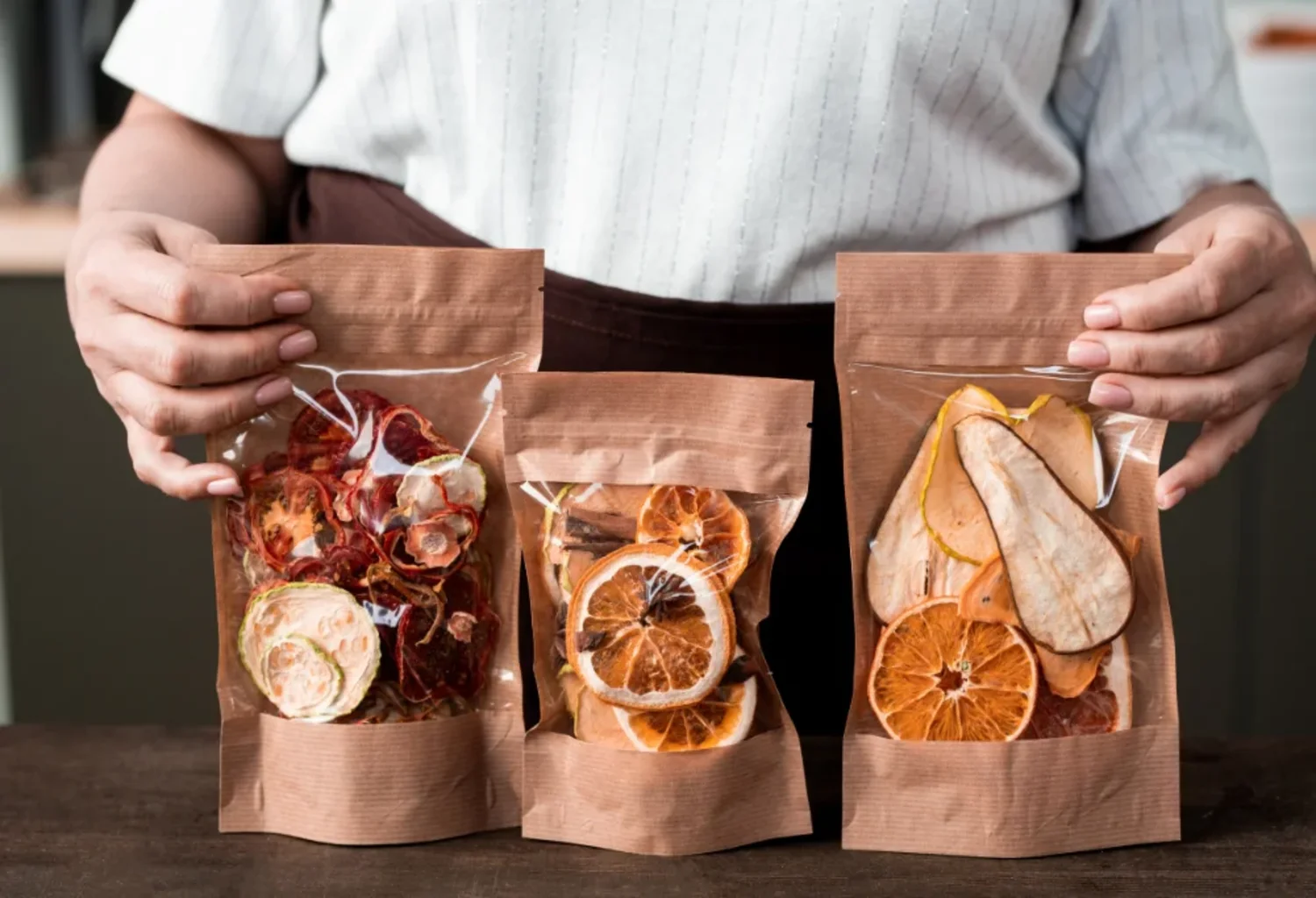
Choose packaging that reflects your brand image—matte finishes for premium brands, glossy finishes for vibrant designs, or kraft-style materials for eco-conscious positioning. -
Usability & Convenience
Focus on user experience. Should it be resealable with a ziplock? Does it need a spout for liquids? These features enhance usability and customer satisfaction. -
Budget & Production Planning
Consider mold (cylinder) costs, unit price, and minimum order quantities (MOQ). Balance quality, volume, and budget—especially important for new brands.
World Packaging Industry: Your Trusted Packaging Partner
If you are looking for a complete packaging solution, World Packaging Industry is here to support you. With extensive experience in flexible packaging production, we help brands choose the best packaging—from design consultation to final delivery.
-
Expert consultation on material structures
-
High-quality gravure printing with sharp, consistent colors
-
Wide range of packaging formats: stand-up pouches, spout pouches, center seal, and more
Frequently Asked Questions (FAQ)
Is your packaging food-grade and safe?
Yes. All inner layers use internationally certified food-grade materials.
How well do laminated bags protect against moisture and light?
Extremely well—especially with aluminum foil or metalized layers.
What is the minimum order quantity (MOQ)?
MOQ depends on size, material, and number of print colors. Please contact our sales team for details.
How long is the production lead time?
Typically 25–30 days after artwork approval and deposit confirmation.
Conclusion
Great packaging is the foundation of a successful brand. Attention to materials, structure, and design increases product value and wins consumer trust. World Packaging Industry is ready to provide modern packaging solutions and advanced production technology to help your business grow sustainably.