Packaging Factory: From Raw Materials to Finished Products
Packaging Factories: Adding Value to Products
Packaging factories play a key role in adding value to various products through design, packaging, and distribution. Good packaging not only protects products but also attracts consumer attention, reflects brand image, and facilitates transportation and storage.
One of the most widely used types of packaging is plastic packaging. Plastic packaging is considered a major innovation in today’s packaging industry due to its outstanding features, including strength, lightweight, cost-effectiveness, and versatility in design to suit a wide range of products. Plastic packaging factories therefore play a crucial role in providing packaging solutions for consumer goods, industrial products, pharmaceuticals, cosmetics, electronics, and many other items. Moreover, they help preserve product quality and extend shelf life.
Producing high-quality packaging in a packaging factory requires standardized manufacturing processes to ensure the packaging meets quality standards and satisfies customer requirements.
The Role of Packaging Factories
Packaging factories are essential in producing standardized packaging. They strictly control every stage of production, from selecting high-quality raw materials, designing and printing patterns on pouches, cutting and assembling the pouches, to delivering the final products to manufacturers. The process of transforming raw materials into plastic packaging typically involves:
-
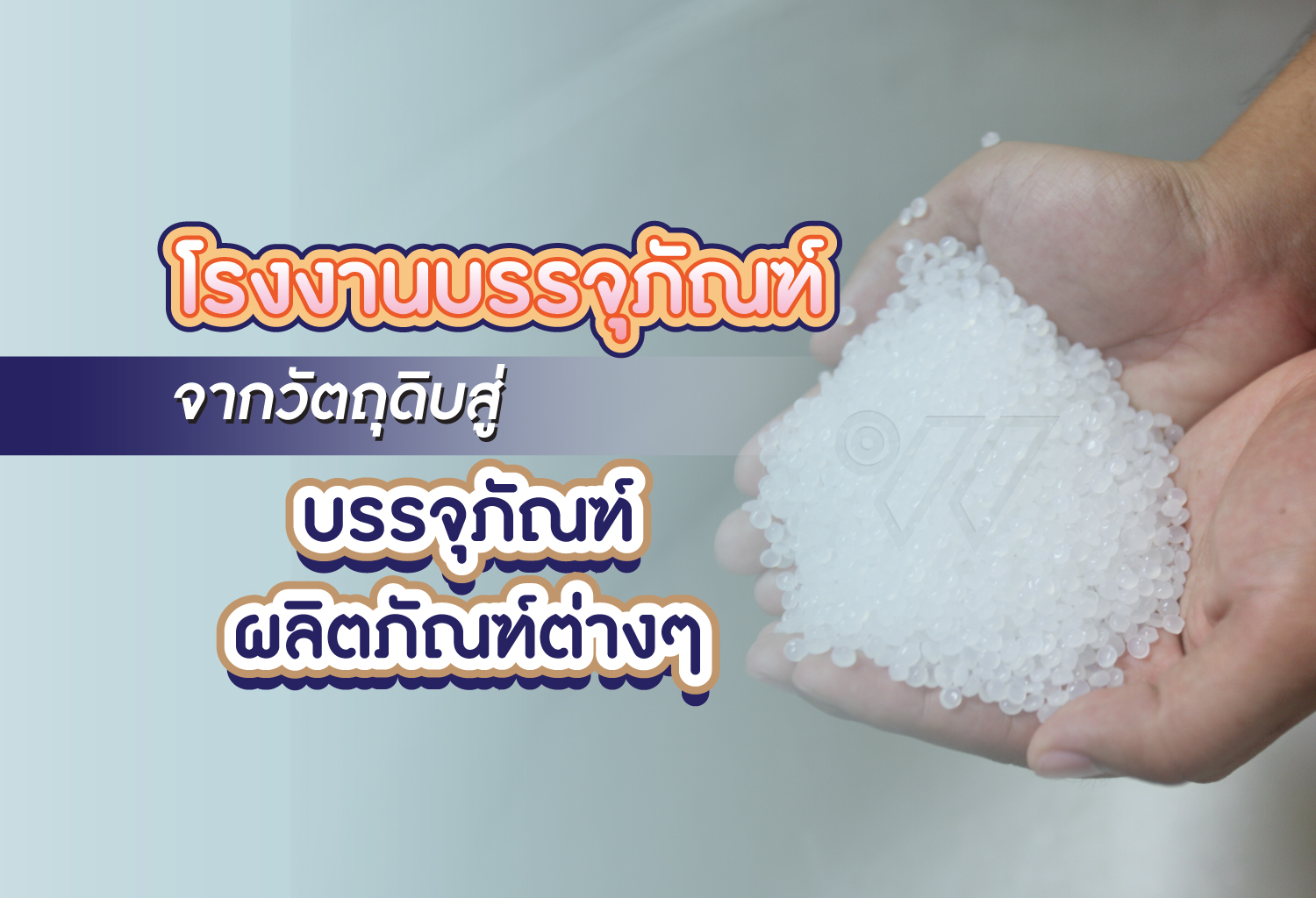
Plastic Raw Materials
Selecting the appropriate type of plastic pellets for the packaging’s intended use, such as polyethylene (PE), polypropylene (PP), polyvinyl chloride (PVC), etc. -
Physical and Chemical Properties of Plastics
Considering the desired properties, including strength, durability, flexibility, shelf life, transparency, water resistance, moisture resistance, and air permeability.
Designing Patterns on Packaging
Patterns and colors on packaging are important for creating a selling point and attracting consumer attention. Packaging factories that offer design services have expertise in creating patterns that align with the product and target audience. Well-designed packaging patterns add value and draw consumer interest. Key elements include:
-
Color Theory: Using visually appealing, prominent colors suitable for the product to attract attention and create a unique identity. Choosing harmonious color combinations to clearly represent the brand.
-
Graphic Design: Using illustrations, patterns, or typography that are distinctive, modern, and reflect the product’s value. Incorporating logos or unique symbols helps build brand recognition and image.
-
Text Information: Clearly indicating important product information such as ingredients, expiration date, storage instructions, and usage instructions, using concise and easy-to-understand language.
-
Target Audience Consideration: Studying design trends, tastes, and behaviors of the target consumer group, and designing packaging to meet their needs and capture attention effectively. Well-designed packaging enhances value, stands out, is easily recognizable, and stimulates consumer interest.
Cutting and Assembling Pouches
After printing the patterns on raw materials, the packaging factory cuts and assembles them into pouches according to specified sizes and shapes, often using high-efficiency automated machines. This step is crucial in the plastic packaging industry because it forms the final shape, which affects usability and distribution. Quality control is applied throughout to ensure the packaging meets design standards.
Packaging Delivery Process
Once the packaging is completed, it is properly packed to prevent damage during transportation, protect against contamination, and clearly labeled. Proper handling and delivery of packaging reduces damage and loss while ensuring on-time delivery, which is critical to customer satisfaction.
Quality and Safety Control
In addition to standardized production, packaging factories must prioritize quality and safety by regularly inspecting packaging to ensure the highest quality products are delivered without causing harm to consumers.
Producing packaging requires a factory with standardized processes, from selecting raw materials, designing patterns, cutting and assembling pouches, to delivery, with strict quality and safety control.
World Packaging Industry Co., Ltd. is a professional packaging manufacturer. For packaging inquiries, please contact: 02-897-1434.