An In-Depth Look at Ziplock Bags: A Value-Boosting Tool for Modern Brands
In today’s highly competitive business environment, creating a strong first impression on customers is more important than ever. Beyond product quality, the external appearance—especially packaging—serves as the first checkpoint that determines whether customers will pick up your product or not. One of the most popular packaging solutions of all time is undoubtedly the ziplock bag. In this article, World Packaging Industry will take you on an in-depth journey to understand this type of packaging, helping you choose and use it in a truly professional way.
What Is a Ziplock Bag? Why Has It Become an All-Time Popular Packaging Solution?

A ziplock bag is a type of flexible packaging equipped with a re-sealable zipper closure, allowing it to be opened and closed repeatedly without the need for additional tools. The popularity of ziplock bags is not a matter of chance, but a result of their consumer-oriented functionality—offering convenience, helping preserve food quality, extending shelf life, and protecting products from dust, contaminants, and moisture that could compromise the contents inside.
5 Popular Types of Ziplock Bags from World Packaging Industry
Choosing the right packaging for each product type is the key to reducing costs and increasing product value. At World Packaging Industry, we offer a wide variety of ziplock bags designed to meet every business need, as follows:
1. Clear Ziplock Bags (PE/PP)
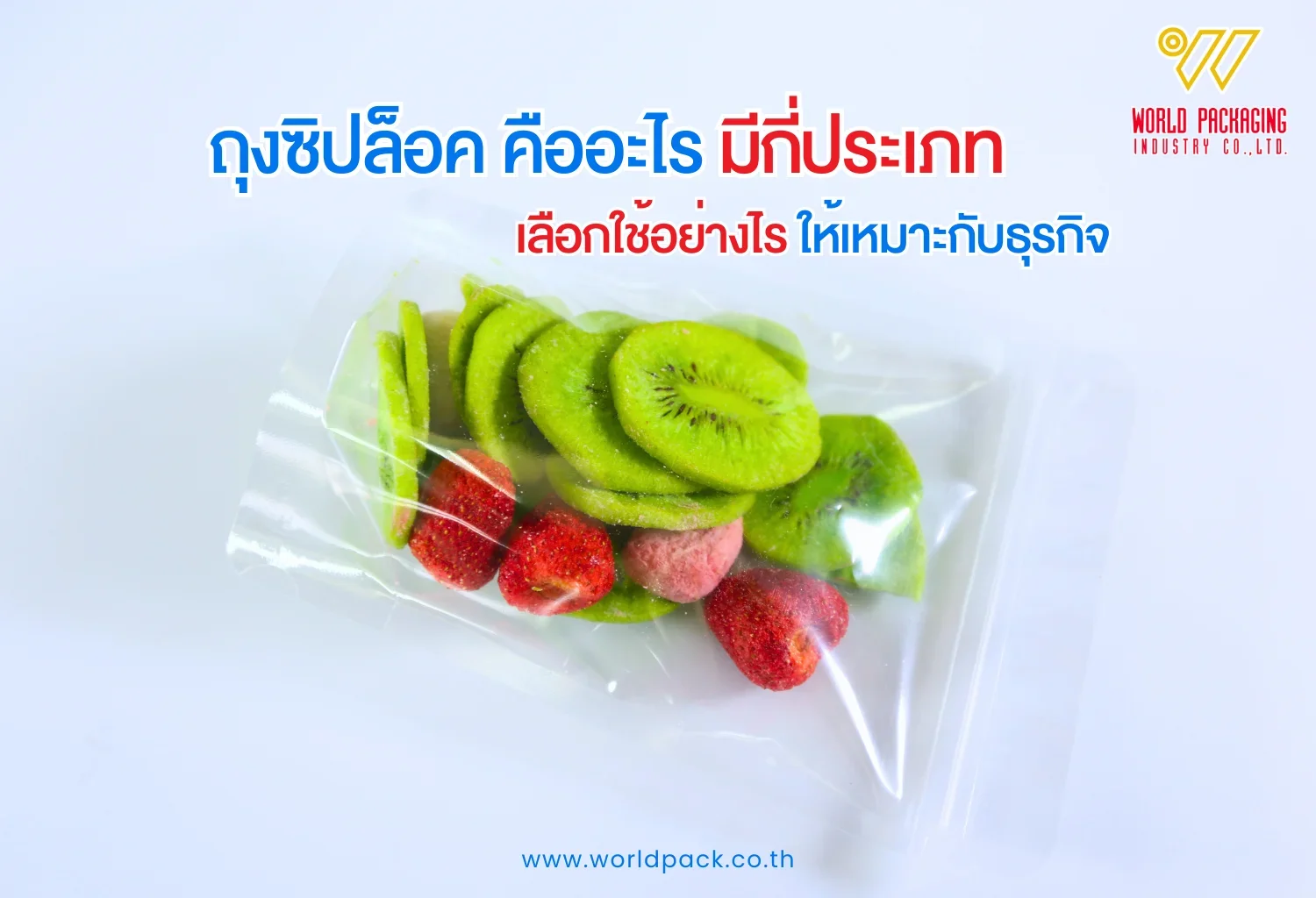
Clear ziplock bags are the most common and basic type of packaging. They are made from PE (Polyethylene) or PP (Polypropylene). Their main advantage is high transparency, allowing customers to see the product inside clearly. They are ideal for products that need to showcase freshness or color, such as dried fruits, snacks, or small electronic components.
2. Aluminium Foil Ziplock Bags
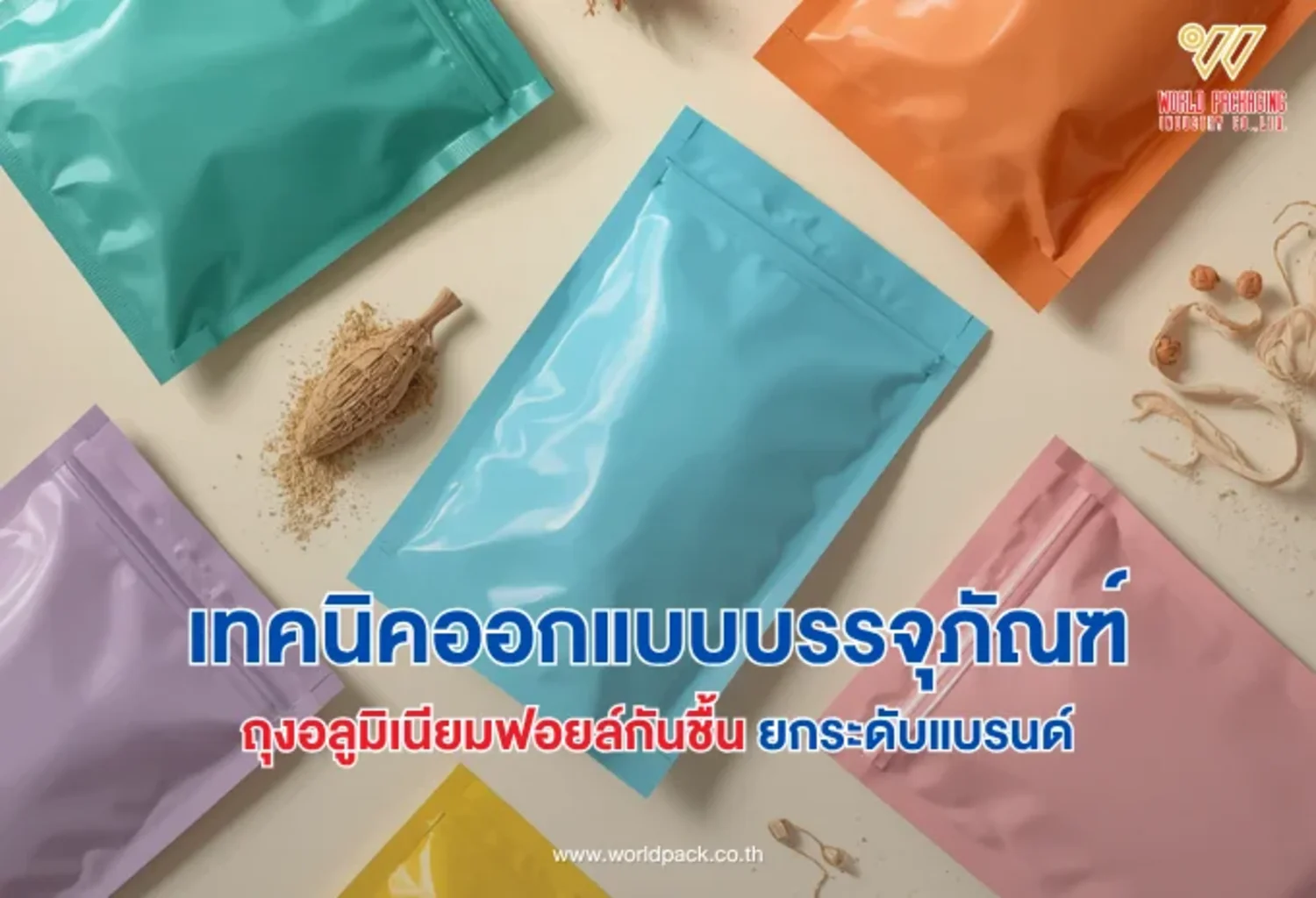
Aluminium foil ziplock bags are considered premium-grade packaging with superior protection performance. The 100% opaque aluminium foil layer effectively blocks light, moisture, and oxygen. They are especially suitable for environmentally sensitive products such as coffee beans, tea leaves, dietary supplements, and pharmaceutical products.
3. Metallized Ziplock Bags
Metallized bags are a cost-effective option for brands seeking a luxurious and glossy appearance at a lower price than pure aluminium foil. They are produced by coating a thin layer of metal onto plastic film. Although their barrier properties are slightly lower than aluminium foil, they are sufficient for general consumer goods such as snacks, rice, or fashion products.
4. Clear Front – Foil Back / Opaque Back Ziplock Bags
This hybrid design perfectly balances product visibility and protection. The clear front allows customers to see the actual product, while the foil or opaque back enhances product presentation and reflects light. This type of packaging is especially popular among OTOP and SME products.
5. Stand-Up Ziplock Pouches
Stand-up ziplock pouches are one of the most popular packaging formats for retail shelves. With an expandable bottom gusset, the pouch can stand upright on its own, improving product visibility and creating a modern, professional, and trustworthy brand image.
Tips for Choosing the Right Ziplock Bag Size to Fit Your Product Perfectly

A Common Beginner Mistake: Choosing the Wrong Ziplock Bag Size
One of the biggest challenges for new entrepreneurs is misjudging bag sizes—resulting in products that don’t fit properly or bags that are too large and look unattractive. Choosing the right ziplock bag size is therefore a delicate detail that should never be overlooked.
How to Measure Ziplock Bag Sizes Correctly
Normally, ziplock bag sizes are specified as “Width x Height”, measured in millimeters (mm) or centimeters (cm). One important thing to note is the height measurement. Most manufacturers measure the total height from the bottom of the bag up to the very top edge above the zipper.
This means that when calculating usable space for your product, you must always allow extra room for the zipper area and the sealing margin.
Understanding the Actual Filling Space (Net Filling Space)
Keep in mind that the size printed on the bag does not represent the actual usable space inside. You should deduct approximately 0.5–1 cm for the side seals and another 3–4 cm for the top section including the ziplock closure.
If your product size matches the bag dimensions exactly, it is recommended to choose a ziplock bag one size larger to make packing easier and to avoid an overly tight or cramped appearance.
Benefits of Using Ziplock Bags to Enhance Your Brand Image

Switching to ziplock packaging offers more than just visual appeal—it delivers value in multiple dimensions:
-
Enhanced Convenience: Customers can easily open, consume, and reseal the product without needing an extra container.
-
Product Preservation: Helps snacks stay crispy, aromas remain intact, and prevents spills or mess.
-
Value Added: Products packed in well-designed, functional packaging can be sold at a higher price compared to those in ordinary plastic bags.
-
Branding Space: The front of the package provides ample space to print logos and product information, allowing brands to communicate their identity clearly and effectively.
Frequently Asked Questions (FAQ)
Can ziplock bags be used to pack liquid products?
Yes, but special types should be used. It is recommended to choose bags specifically designed for liquids, featuring strong, reinforced seals and durable zippers. Alternatively, spout pouches are a safer option than standard ziplock bags.How to choose the right thickness of ziplock bags according to product weight
For lightweight products such as snacks, a thickness of around 100–120 microns is sufficient. For heavier products or items with sharp edges, such as rice or dried herbs, a thickness of 140 microns or more is recommended.What is the minimum order quantity for custom-printed ziplock bags with our own brand?
Generally, custom packaging production requires a minimum order quantity, which varies depending on the type, size, and material of the packaging. At World Packaging Industry, the MOQ is typically 30,000–50,000 pieces, depending on pouch size. For the most accurate information, we recommend contacting our sales team directly.What is the difference between clear PE ziplock bags and premium clear (Glassy) bags?
PE bags are softer, slightly cloudy, and highly flexible. Glassy bags (usually made from CPP or IPP) are crystal clear, glossy, and more rigid, helping the pouch keep its shape better.Conclusion: Choose Quality Ziplock Packaging for Both Functionality and Aesthetics
Choosing the right ziplock bag is like dressing your product in a premium outfit—it enhances both appearance and user experience. If you are looking for ziplock bags in various sizes or need professional consultation for custom-printed packaging, World Packaging Industry is ready to be your trusted partner in driving sustainable brand growth.
With standardized production, carefully selected materials, and customized design solutions, contact us today to order cosmetic packaging that truly meets your needs and adds value to your products in a highly competitive market.
???? Line: https://lin.ee/gDrTLlv
???? Tel: 02-897-1434