What Is Packaging? Its Importance and Benefits for Businesses
In today’s highly competitive business world, having a good product alone may not be enough to win customers’ wallets. The first thing consumers see and physically interact with is not the product inside, but its external appearance. In this article, World Packaging Industry will take you on an in-depth journey to understand what packaging really is, why it plays such a vital role, and why investing in smart design and high-quality packaging has become a strategy that modern brand owners simply cannot afford to overlook.
What Is Packaging?
Packaging is both a science and an art that involves using various materials to create containers or coverings that hold, support, and protect products. Its primary purpose is to ensure that goods can be transported safely from the point of production to consumers while preserving their original condition and quality as much as possible. Beyond its basic function of “protection,” packaging in the business and marketing context is one of the most powerful communication tools for expressing brand identity and influencing purchasing decisions at the point of sale.
The 4 Main Functions of Packaging Every Brand Owner Should Know

Many people may see packaging as nothing more than waste after a product is opened. In reality, however, packaging serves several important functions that help keep the supply chain running smoothly and enhance customer satisfaction.
1. Product Protection and Quality Preservation
The most important function of packaging is to protect products from external factors such as moisture, sunlight, dust, impact, and microbial contamination. This is especially critical for food and cosmetic products. Good packaging helps extend shelf life and maintains product freshness until it reaches the customer.
2. Convenience in Transportation and Handling
Packaging design must take transportation and storage into account, both in warehouses and during delivery. Proper shapes and structures allow products to be stacked efficiently, save space, and withstand pressure. This helps reduce damage and loss that may occur during transit.
3. Communication and Brand Image Building
Packaging acts as a “silent salesman,” presenting the product to consumers through colors, shapes, and graphic design. Attractive and distinctive packaging reflects brand identity and creates a strong first impression that immediately captures consumers’ attention.
4. Providing Product Information
Packaging provides space for important information required by law and useful to consumers, such as ingredients, expiration dates, FDA registration numbers, usage instructions, and warnings. This information helps build consumer confidence and ensures safety when making purchasing decisions.
Types of Packaging Classified by Level of Importance in Use

To gain a clearer overview of how packaging is used, packaging can be classified into three levels based on how closely it comes into contact with the product, as follows:
1. Primary Packaging
Primary packaging is the type of packaging that comes into direct contact with the product. Its main function is to protect and preserve product quality, such as snack packaging, beverage bottles, or toothpaste tubes.
This level of packaging is the most critical in terms of hygiene and safety (Food Grade), as it directly touches food or consumer products.
2. Secondary Packaging
Secondary packaging is used to group multiple units of primary packaging together for easier distribution, handling, or shelf display. Examples include a paper box containing 12 coffee sachets or shrink wrap used to bundle bottled water.
This type of packaging often focuses on brand presentation and provides an additional layer of product protection.
3. Tertiary Packaging
Tertiary packaging refers to large-scale packaging used for bulk transportation to prevent damage during long-distance shipping. Examples include large corrugated cartons, pallets, or stretch film wrapped around pallets.
This level of packaging prioritizes strength and durability above all else.
What Are the Most Popular Types of Packaging?

Popular Forms of Flexible Packaging
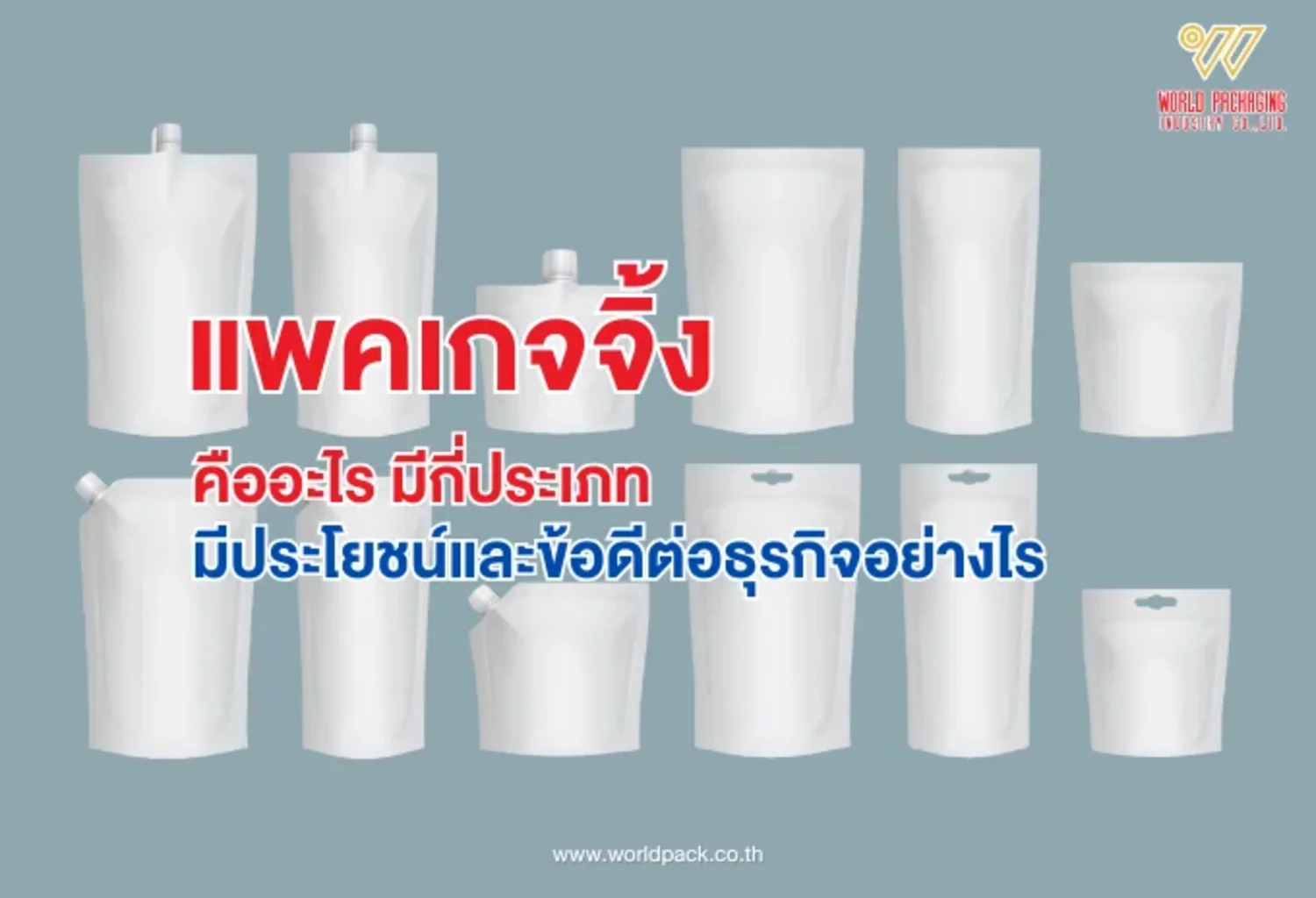
Today, Flexible Packaging has become extremely popular due to its lightweight nature and high-quality printing capabilities. At World Packaging Industry, we specialize in manufacturing a wide variety of packaging pouch formats to meet every business need.
Stand Up Pouch: Eye-catching and Shelf-Ready
Stand up pouches are among the most popular packaging types in retail markets. They can stand upright on shelves, are stable, and offer a large front surface for brand communication. Ideal for snacks, dried fruits, or coffee powder.
Ziplock Bag: Convenient and Resealable
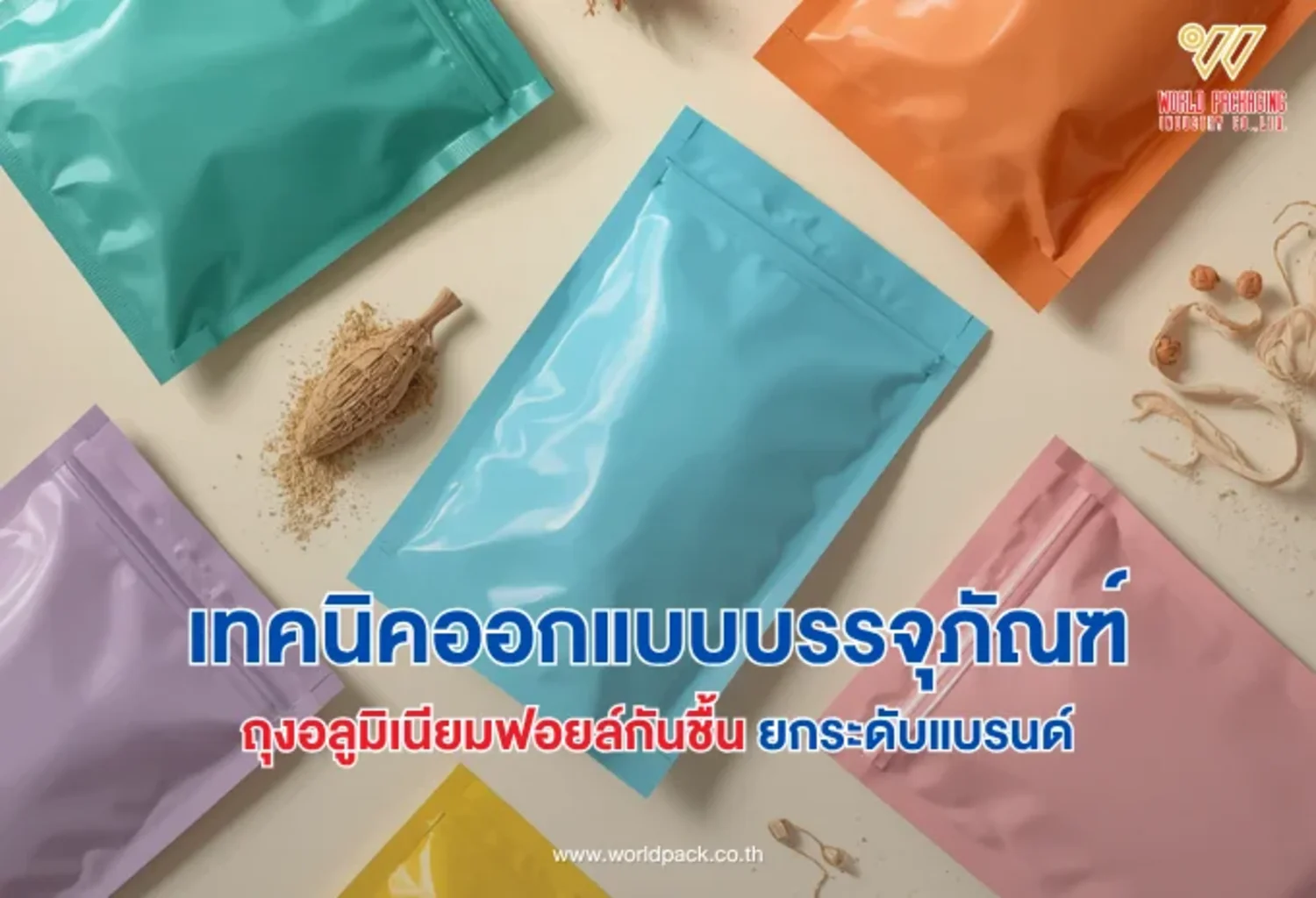
Ziplock bags are designed to suit modern consumer lifestyles that prioritize convenience. They can be opened and closed multiple times, helping preserve freshness and crispness. Suitable for products consumed in multiple portions.
3-Side Seal Bag: Space-Saving and Cost-Effective
3-side seal bags are simple and economical, ideal for small portions or single-use products such as seasonings, nail polish sachets, or facial masks. They help save space in storage and transportation.
Spout Pouch: Innovation for Liquids and Beverages
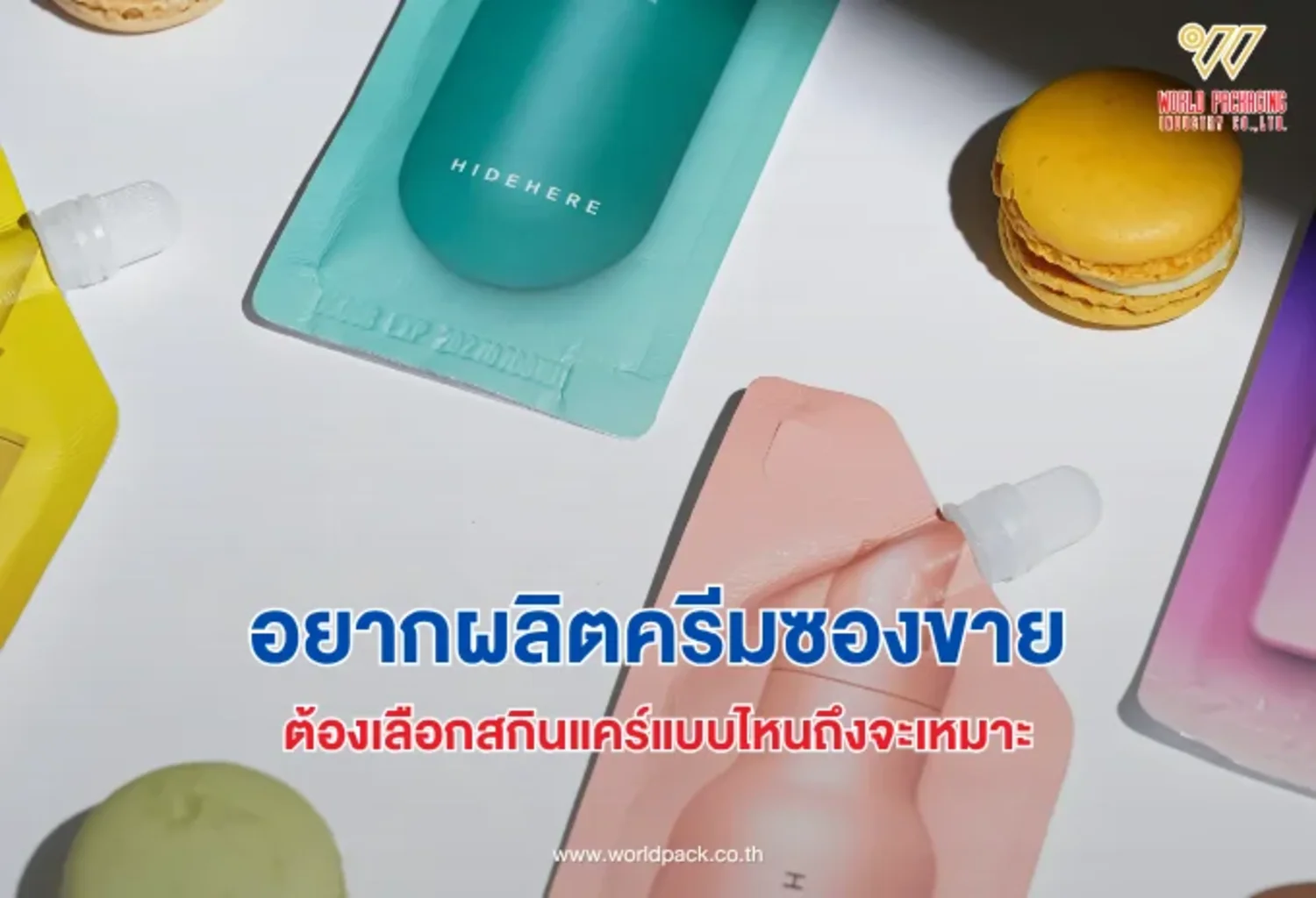
Spout pouches are an innovative alternative to rigid plastic or glass bottles. Suitable for liquids, beverages, jellies, and cleaning products. Lightweight, easy to pour, and excellent at preventing leakage.
How to Choose the Right Packaging for Your Product
Selecting the right packaging is not only about aesthetics but also about overall efficiency and cost-effectiveness.
Product Characteristics: Solid, liquid, or powder? Sensitive to light or moisture? Choose materials with suitable barrier properties.
Shelf Life: Products requiring longer shelf life should use high-barrier materials.
Consumer Usage: Single-use or multi-use? Consider added features like ziplocks or spouts.
Cost & Budget: Packaging should align with product pricing and production costs.
Brand Image: Design and materials should reflect brand identity—premium, fun, or natural.
5 Key Benefits of Packaging
Investing in quality packaging is not an expense but a value-generating investment.
Differentiation in a Competitive Market
Eye-catching packaging helps your product stand out and be noticed first on crowded shelves.Increased Product Value and Pricing Power
Well-designed packaging allows brands to charge higher prices compared to generic packaging.Powerful Marketing Communication Tool
Packaging acts as a mobile billboard, allowing storytelling, brand messaging, and QR code campaigns.Builds Trust and Brand Credibility
Standardized, durable packaging with clear information builds consumer confidence.Efficient Cost and Logistics Management
Flexible packaging reduces weight, saves transportation costs, and requires less storage space compared to rigid packaging.
Frequently Asked Questions (FAQ)
Is flexible packaging better than rigid packaging?
Yes. It is lighter, reduces transportation costs, saves storage space, and allows high-quality 360-degree printing.
Why is Food Grade plastic important for food packaging?
It ensures no harmful chemicals contaminate food, making it safe for consumers.
What information is needed to order custom packaging?
Product type, package size, pouch style, artwork/logo files, and estimated order quantity.
Does packaging really affect product pricing?
Absolutely. Premium packaging improves perception and allows higher pricing.
Conclusion: Packaging Is the Face of Your Brand
Packaging plays a critical role in business success—from product protection to powerful marketing. Choosing the right packaging is a smart investment.
World Packaging Industry is ready to be your trusted partner, providing consultation and high-quality packaging solutions that help your brand grow sustainably.
???? Line: https://lin.ee/gDrTLlv
???? Tel: 02-897-1434