What Is Food Grade? Types, Symbols, and Key Identification Points
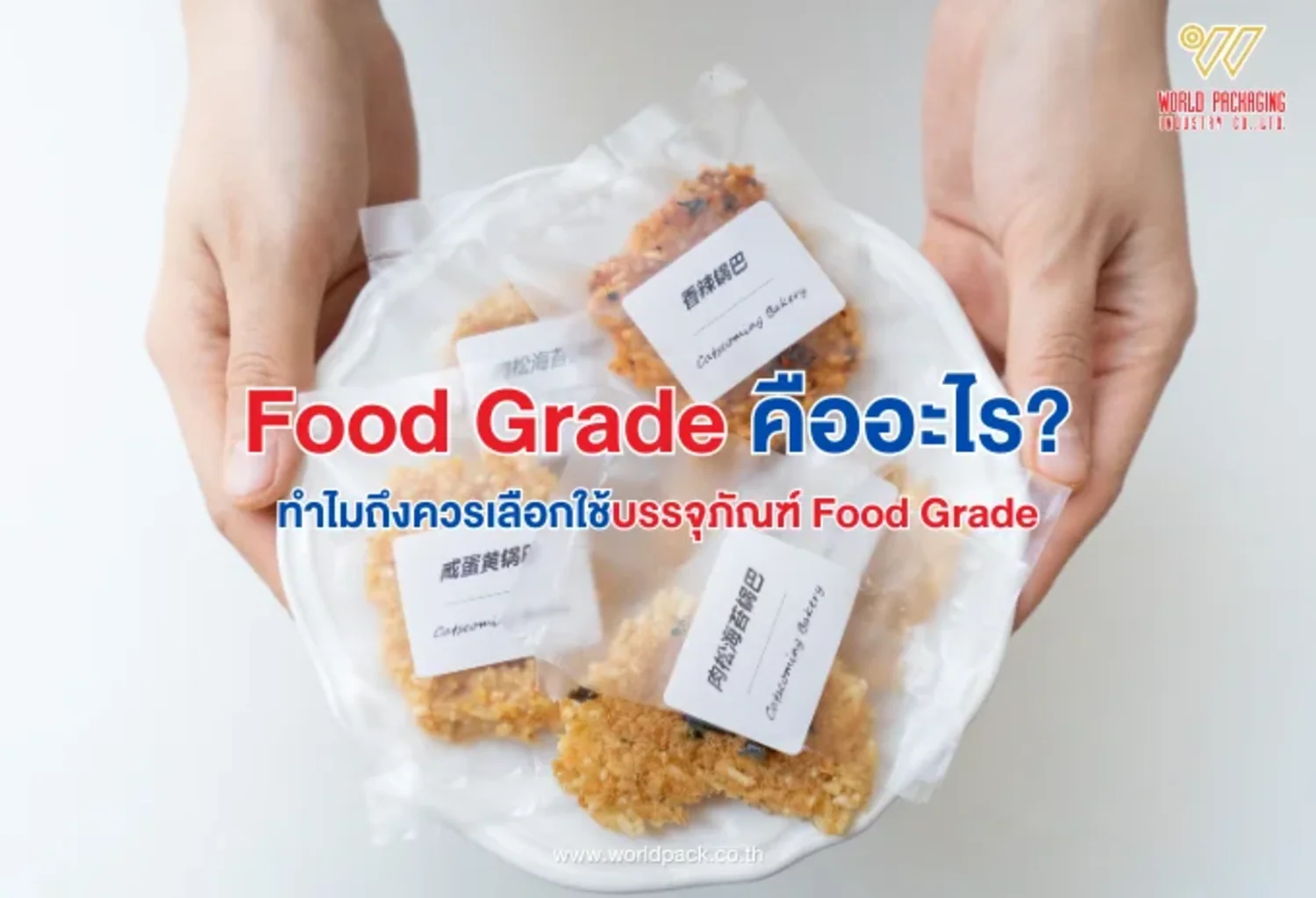
In an era where consumers prioritize health and safety above all else, food packaging—especially flexible packaging that is increasingly popular—has become something that should not be overlooked. Many people may have heard the term “Food Grade,” but what does it actually mean? Why is it important for the food business, and how can you identify it?
In this article, World Packaging Industry will take you through every key aspect to help entrepreneurs gain a deeper understanding and confidently choose the safest and most suitable packaging solutions.
Understanding the True Meaning: What is Food Grade?
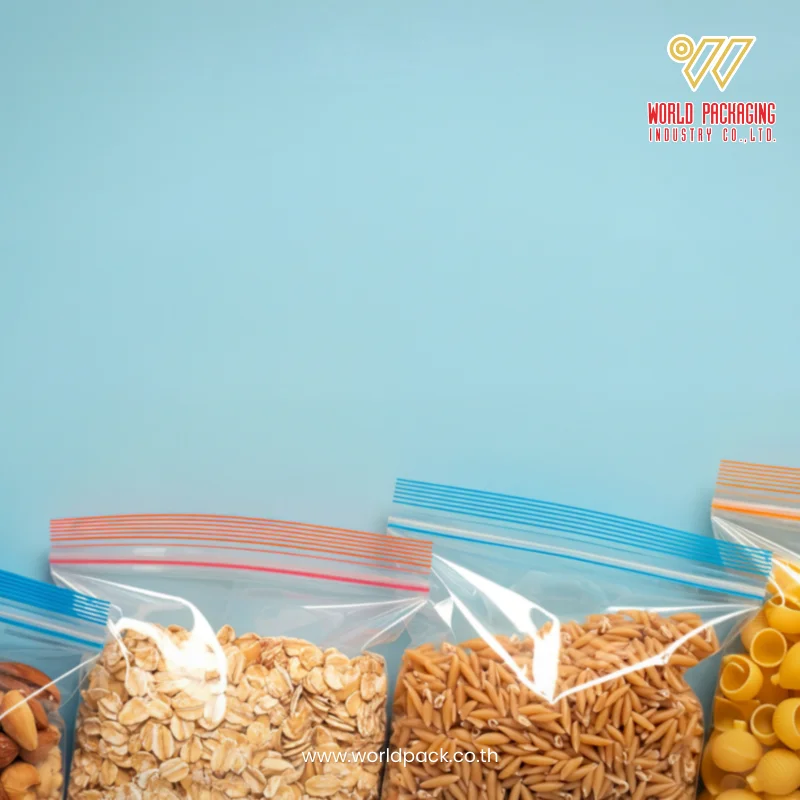
Food Grade refers to a standard for materials that are certified as safe enough for direct contact with food and beverages. These materials must go through clean manufacturing processes and be free from harmful chemicals, carcinogens, or heavy metals that could leach or contaminate food when exposed to changes in temperature—whether heat, cold, or varying levels of acidity and alkalinity.
Therefore, Food Grade packaging serves as a guarantee that the food inside is 100% safe for consumption.
Why must entrepreneurs choose Food Grade plastic packaging?
Choosing packaging is not only about making products look attractive; it also directly impacts consumer health and the brand’s reputation. Investing in plastic packaging—especially flexible packaging that meets Food Grade standards—is something food business operators must never overlook. The key reasons are as follows:
1. Prevent chemical contamination in food
The primary reason for using Food Grade packaging is to prevent the migration of chemicals from plastic into food. If non-standard plastic is used, exposure to heat, oil, or acidity from food may cause toxic residues and heavy metals to leach into the product. This can be harmful to health and increase the risk of long-term accumulation of carcinogens in consumers’ bodies.
2. Enhance brand standards and build consumer trust
In a highly competitive market, modern consumers are more selective and often look for safety certifications before making a purchase. Using Food Grade packaging demonstrates a brand’s responsibility and care for its customers. This helps build a positive image, increase credibility, and encourage repeat purchases.
3. Comply with regulations and food safety authorities
Using Food Grade packaging is a legal requirement that food manufacturers must follow in order to pass inspections and obtain certification from food and drug authorities. If unsafe packaging or excessive contamination is found, the brand may face legal action, product suspension, or recalls—causing significant business damage.
What is the Food Grade symbol and how can it be identified?
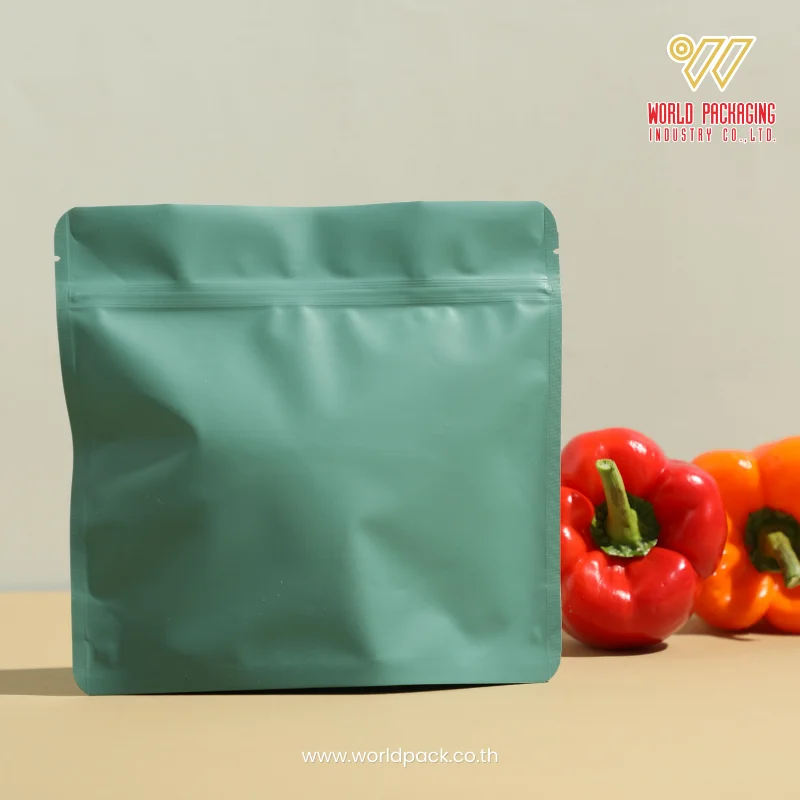
For consumers and new entrepreneurs, checking whether the packaging you are about to use is Food Grade plastic can be done easily by observing universal symbols printed or embossed on the packaging or product labels. The key indicators are as follows:
Wine Glass and Fork Symbol (Food Safe Symbol)
The most recognizable universal Food Grade symbol is the “wine glass and fork” icon. This symbol is globally accepted and guarantees that the material is safe for direct contact with food and beverages, free from harmful chemical contamination. If you see this symbol on flexible pouches, plastic bags, or food containers, you can confidently use them safely.
Safe Plastic Identification Symbols (PP, PE, PET)
Another way to identify Food Grade materials is by checking the plastic type code inside the recycling triangle symbol. Common food-safe plastics include No.1 (PET), known for clarity and strength; No.2 (HDPE) and No.4 (LDPE), known for flexibility and durability; and No.5 (PP), which is highly heat-resistant. Understanding these symbols helps you choose the right material for proper use.
High-Quality Food Grade Packaging from World Packaging Industry
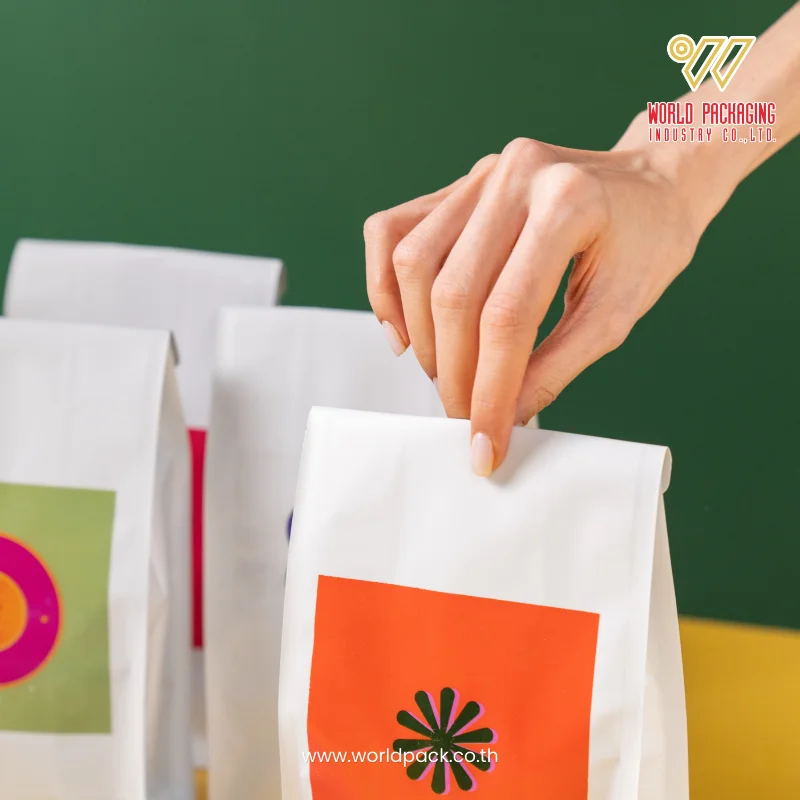
At World Packaging Industry, we prioritize consumer safety as our top concern. That’s why we carefully select only high-quality, standard-certified plastic resins to produce flexible packaging that is lightweight, easy to store, and suitable for all types of food businesses. Our popular packaging formats include:
Stand-Up Ziplock Pouch for Snacks and Dry Foods
Food Grade stand-up ziplock pouches are among the best-selling flexible packaging options for bakery products, snacks, dried fruits, and grains. With a design that stands out on shelves and a high-quality ziplock that protects against air and moisture, they help maintain crispness and extend shelf life. They are convenient to use and can be resealed for later consumption.
Foil & Metallized Pouches for Moisture and Light Protection
For products sensitive to light and moisture such as coffee beans, tea, milk powder, or dietary supplements, Food Grade foil and metallized pouches offer the best protection. Their film structure can block light, air, and moisture almost 100%, helping preserve aroma and maintain product quality. They also provide excellent surfaces for sharp and attractive graphic printing.
Vacuum Bags for Extending Fresh Food Shelf Life
World Packaging Industry’s vacuum bags are made from durable Nylon/LLDPE materials with excellent puncture resistance. Their key advantage is the ability to remove air completely, inhibiting the growth of oxygen-dependent bacteria. They are ideal for packaging meat, sausages, seafood, and rice, significantly extending freshness.
Frequently Asked Questions (FAQ)
Can general plastic be used instead of Food Grade plastic for food packaging?
No. General plastics may contain harmful chemicals or heavy metals that can leach into food when exposed to heat or acidity.
Does Food Grade packaging significantly increase product costs?
It may be slightly more expensive than general plastics, but it is a worthwhile long-term investment as it reduces spoilage and enhances brand credibility.
Can all Food Grade plastic bags be used in a microwave?
No. Only certain plastics such as PP (Polypropylene), which can withstand high temperatures, are suitable. Always check for a microwavable symbol on the packaging.
How can you ensure that the packaging is 100% genuine Food Grade?
You should order from certified manufacturers that provide a Certificate of Analysis (COA) to guarantee material safety, such as World Packaging Industry.
Conclusion
Understanding what Food Grade means is a crucial first step for food business operators. Packaging does more than just contain products—it also carries responsibility for consumer health. Choosing certified Food Grade plastic helps elevate your brand’s credibility and ensures maximum safety.
If you are looking for a trusted partner to produce high-quality flexible packaging, World Packaging Industry is ready to help create the best packaging solutions for your business.
Line: https://lin.ee/gDrTLlv
Tel: 02-897-1434