Understanding Plastic Types for Flexible Packaging Bags: How to Choose the Right Material
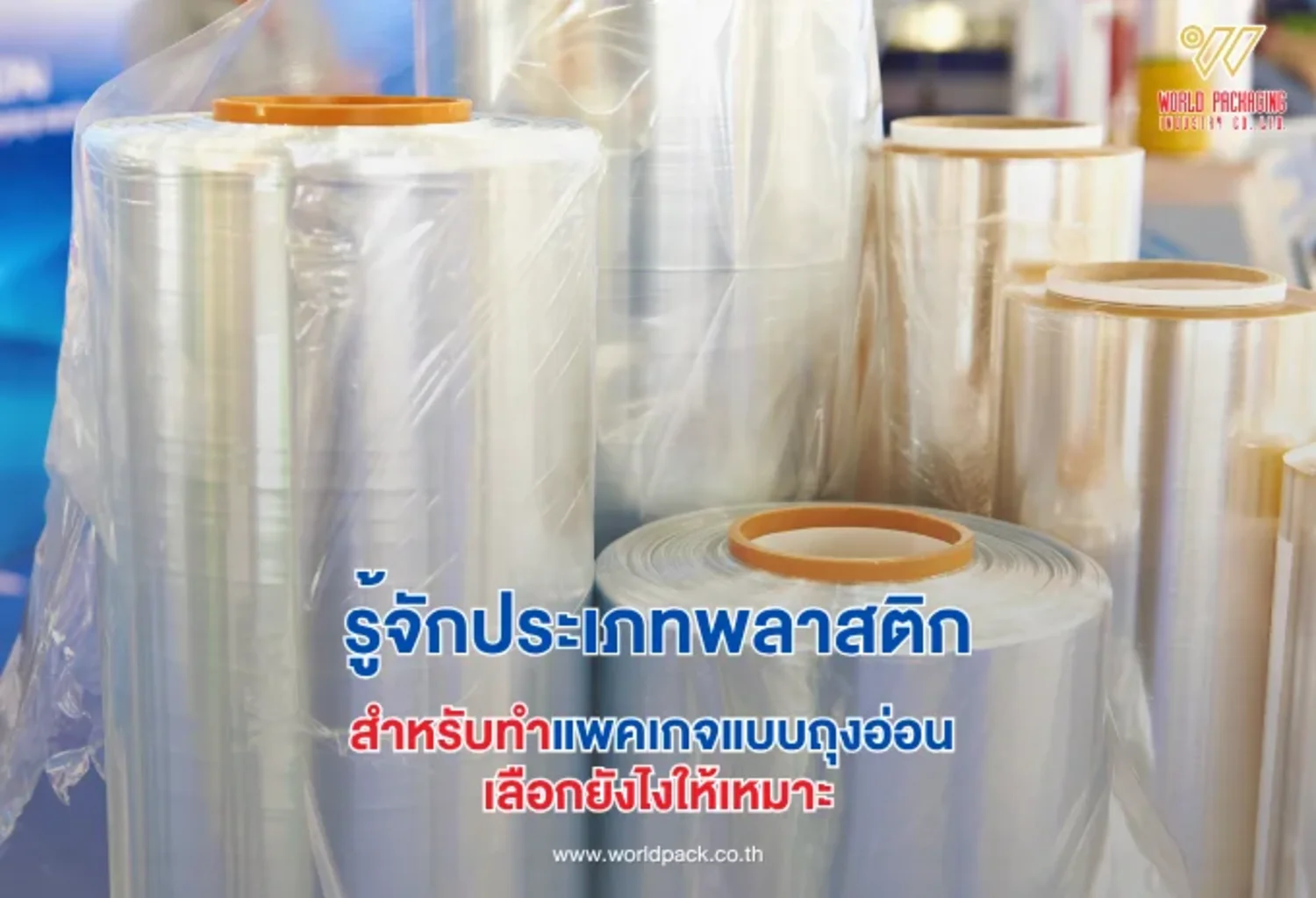
Choosing packaging for today’s products involves more than just attractive designs and colors. The key to successful flexible packaging lies in selecting the right material structure. Different types of plastic offer varying levels of moisture and light protection, oxidation resistance, and tensile strength.
Choosing the right packaging films is therefore essential for maintaining product quality and building consumer confidence. In this article, World Packaging Industry introduces the different types of plastic films and their key properties.
Understanding How to Choose Plastic Materials for Flexible Packaging Bags
Most flexible packaging bags commonly found on the market are not made from a single layer of plastic. Instead, they are typically laminated pouches made by bonding two or more layers of different plastic films together.
Each layer serves a specific purpose. The outer layer is often selected for high-quality printing and visual appeal, the middle layer provides a barrier against external factors, and the inner layer is designed for direct food contact and heat sealing.
Understanding these material properties helps businesses develop packaging solutions that meet functional requirements while offering cost-effectiveness and value for their operations.
A Closer Look at Popular Plastic Types Used in Flexible Packaging Bag Manufacturing
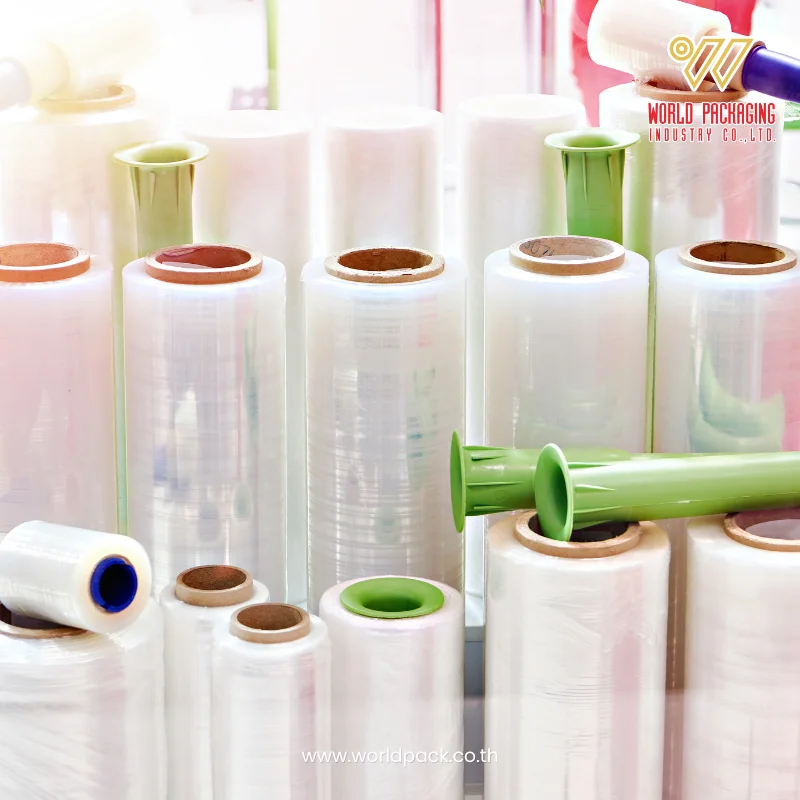
In the flexible plastic packaging industry, four main types of plastic films are commonly used to produce laminated pouches. Each has its own distinctive physical properties and advantages, as outlined below.
1. PET Plastic: High Tensile Strength and Excellent Print Quality
PET (Polyethylene Terephthalate) film is commonly used as the outer layer of packaging because of its dimensional stability, tensile strength, abrasion resistance, and good heat resistance. Its smooth, clear surface also makes it well suited to gravure printing, delivering vibrant colors and sharp details that give packaging a premium, high-value appearance.
2. LLDPE Plastic: Flexible, Reliable Heat Sealing, and Good Leak Resistance
LLDPE (Linear Low-Density Polyethylene) film is commonly used as the inner layer of plastic pouches and is available in food-contact grades suitable for appropriate applications. Its key advantages include high flexibility, toughness, and good impact resistance.
LLDPE also offers suitable heat-sealing properties, helping create strong seals that resist leakage when the correct material grade and sealing conditions are used. This makes it suitable for products that are relatively heavy or contain liquids.
3. Nylon Plastic: High Toughness and Resistance to Punctures and Low Temperatures
Nylon, also known as polyamide (PA), is a tough, durable film with good tensile strength and puncture resistance. It helps protect packaging from sharp edges and can maintain its performance under freezing conditions when the appropriate grade and structure are selected.
These properties make nylon a suitable choice for frozen food packaging and vacuum-sealed bags.
4. CPP Plastic: Enhanced Gloss and Structural Support
CPP (Cast Polypropylene) film offers good clarity, gloss, and stiffness compared with many PE films. It is commonly used as an inner sealing layer in laminated packaging, helping maintain the pouch’s appearance while providing good heat-sealing performance and heat resistance.
CPP is widely used in packaging for snacks and other dry food products.
Tips for Matching Plastic Film Combinations to Different Product Categories
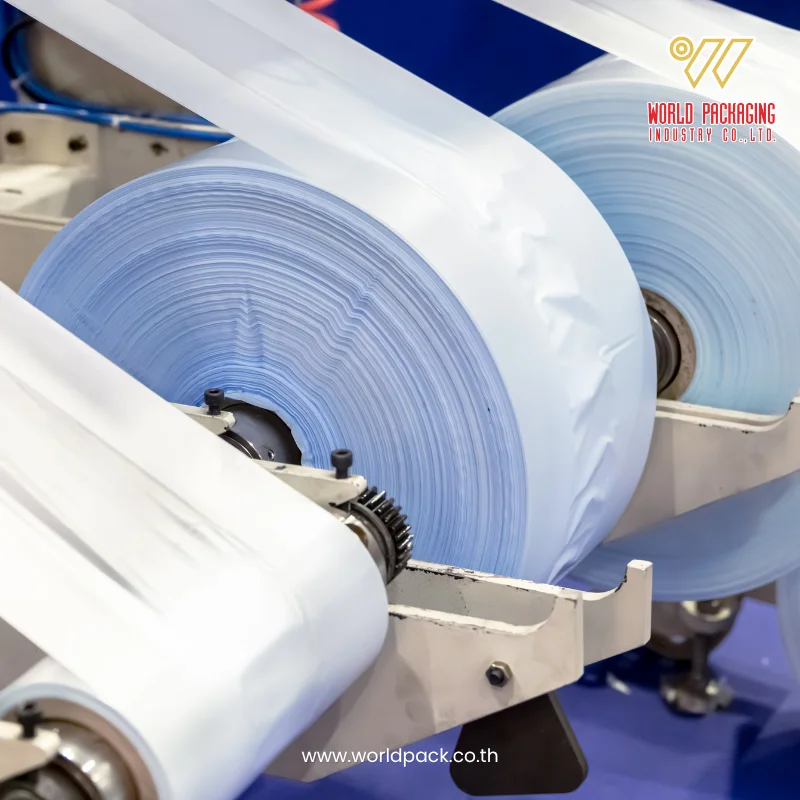
To achieve the best possible product protection, brand owners can select plastic film combinations based on the specific requirements of each product category, as outlined below.
Dry Foods and Snacks That Need to Stay Crispy Longer
Choose packaging structures designed to provide effective protection against moisture and oxygen. Options include combining PET with CPP or incorporating an aluminum foil or metallized layer in the middle of the structure. These materials can help reduce the transmission of moisture, oxygen, and light, helping snacks stay crispy, retain their aroma, and resist rancidity for longer.
Frozen Foods and Products with Sharp Edges That May Puncture Packaging
Consider a laminated structure combining nylon with LLDPE. Nylon provides toughness and puncture resistance, helping protect the pouch from sharp food components, such as shrimp shells or fish bones. LLDPE provides a flexible inner sealing layer that can help maintain seal integrity under freezing conditions when the appropriate material grade and sealing specifications are used.
Household Products and Chemicals That Require Strong, Reliable Seals
For products such as laundry detergent, liquid soap, and certain chemical products, PET laminated with a thicker PE layer may be a suitable option. However, some chemicals can interact with packaging materials, so compatibility must be evaluated for each formulation. Selecting an appropriate PE inner layer with suitable chemical resistance and reliable heat-sealing properties can help reduce the risk of leakage during transportation.
High-Quality Plastic Packaging Solutions for Every Product with World Packaging Industry
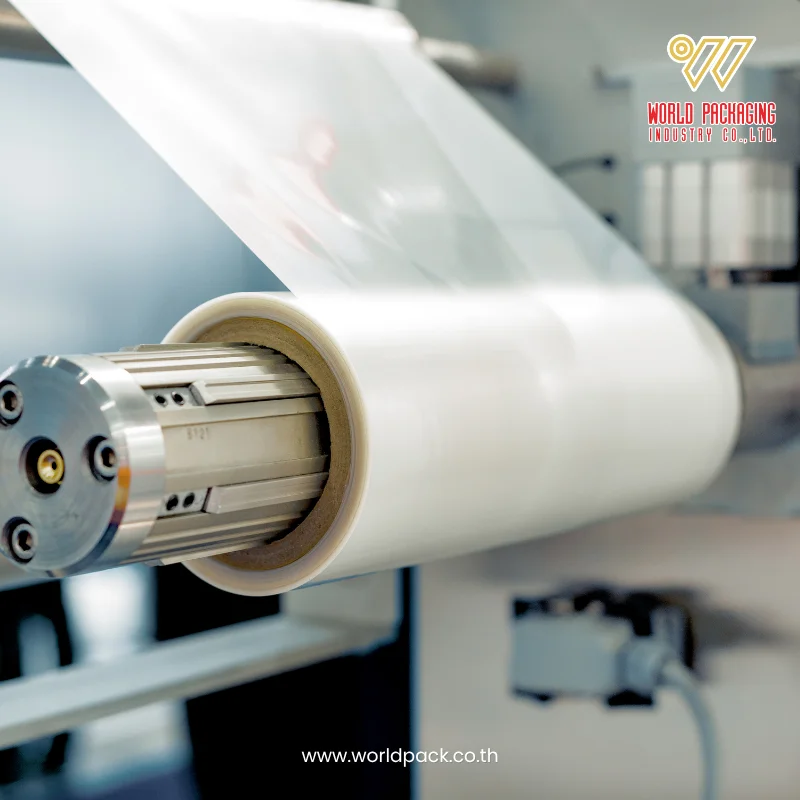
If you are looking for an expert in plastic packaging sourcing and manufacturing, World Packaging Industry is ready to be your trusted partner. We help you select the right packaging structure and plastic film materials for your specific needs.
We carefully select high-quality food-grade plastic films and use modern manufacturing equipment alongside high-definition gravure printing. Our packaging solutions are designed not only to help protect your products and maintain their quality, but also to elevate your brand image, stand out in the market, and support your sales growth with confidence.
Frequently Asked Questions (FAQ)
What Are the Benefits of Combining Multiple Plastic Layers in Packaging Bags?
Combining multiple plastic layers brings together the advantages of different materials. For example, the outer layer can provide high-quality printing, the middle layer can offer moisture protection, and the inner layer can provide reliable heat sealing. This combination of properties is difficult to achieve with a single plastic material alone.
Which Plastic Materials Are Suitable for Liquid Product Packaging?
A laminated structure combining PET with a thicker LLDPE layer may be suitable for liquid products. LLDPE offers flexibility, toughness, and good heat-sealing properties that can help prevent leakage when the material structure and sealing conditions are properly selected.
Can Laminated Plastic Packaging Be Used in a Microwave?
It depends on the packaging structure and whether the materials are specifically designed and tested for microwave use. Certain heat-resistant plastics, including suitable grades of CPP or specialized LLDPE, may be used in microwave-safe packaging applications. However, not all laminated pouches are microwave-safe. Always verify the manufacturer's instructions and suitability for the intended heating conditions before use.
How Can I Verify Whether Plastic Packaging Materials Meet Food-Grade Requirements?
You can review relevant documentation, including food-contact compliance declarations, material specifications, and migration test reports. Manufacturing certifications such as GHPs, HACCP, and ISO can also provide useful information about a manufacturer's quality and food-safety management systems, but they do not independently establish that every packaging material is suitable for food contact.
Article Summary
Understanding the properties of different plastic materials is an essential step in developing flexible plastic packaging. Selecting the right combination of plastic films for each product can help protect product quality, preserve freshness, and support food safety when the materials are appropriately specified and tested. It can also create packaging that is attractive, durable, and capable of strengthening your brand’s professional image in the eyes of consumers.
If you are looking for a reliable packaging partner, World Packaging Industry is ready to provide expert advice and manufacturing solutions tailored to your business needs.
LINE: https://lin.ee/gDrTLlv
Tel: 02-897-1434