What standards must packaging sachets for tablets and dietary supplements comply with?
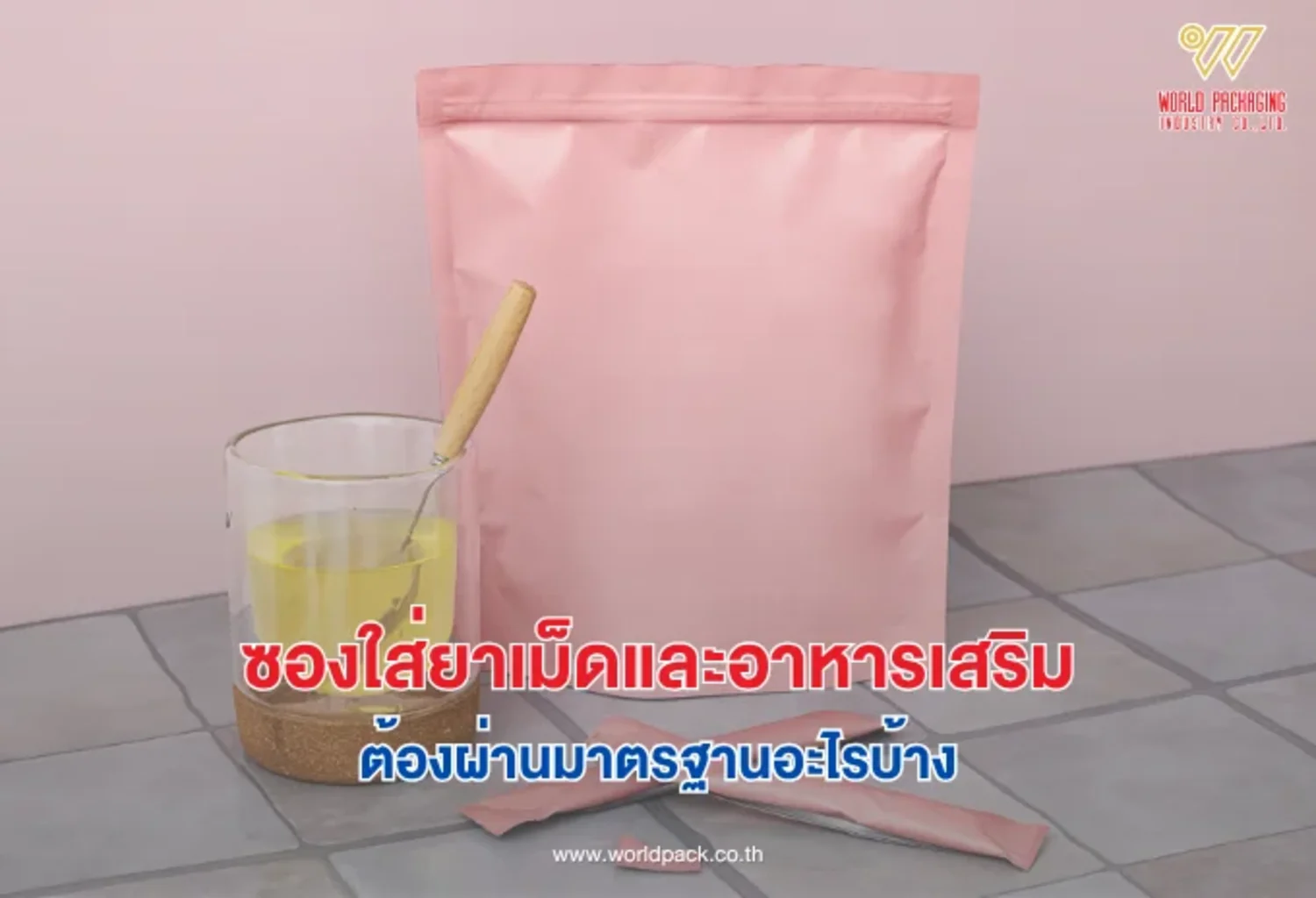
Products such as pharmaceutical, vitamin, and dietary supplement packaging require the highest levels of safety, hygiene, and product quality preservation. This is because these products are consumed directly by the human body. Therefore, choosing plastic pouches for medicines and dietary supplements is not simply a matter of aesthetics or convenience; they must also comply with internationally recognized standards and certifications.
In this article, World Packaging Industry takes an in-depth look at the essential standards that business owners and health and beauty brands should understand before placing an order for custom packaging.
The Importance of Pharmaceutical and Dietary Supplement Packaging and Its Impact on Product Quality
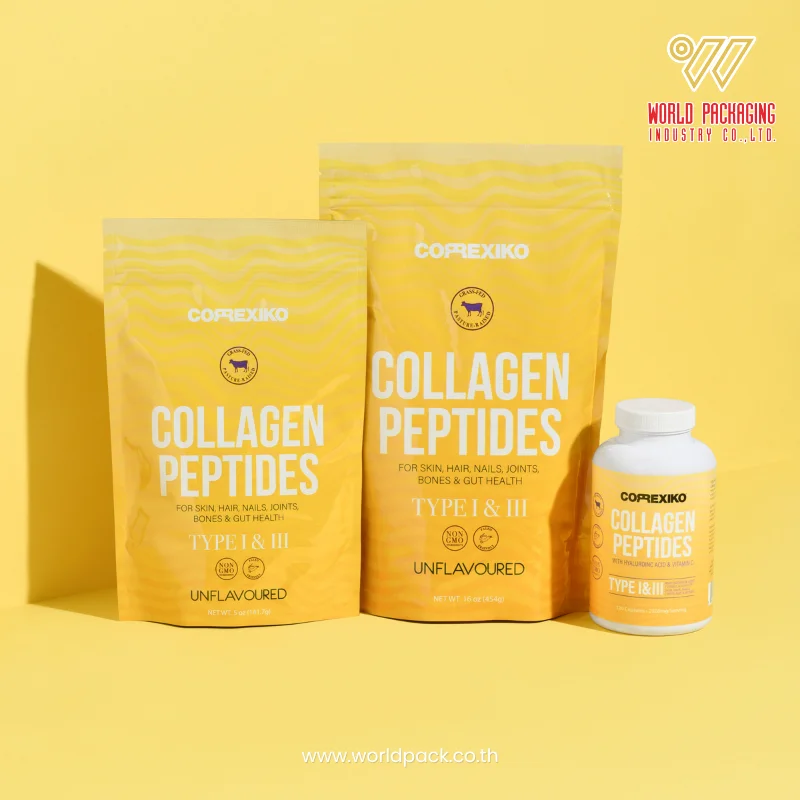
Medicines, dietary supplements, and vitamins are often highly sensitive to external factors such as moisture, sunlight, air, and temperature. Using low-quality packaging or materials that are unsuitable for a product's specifications may cause tablets to absorb moisture, dissolve, deteriorate, change color, or lose the potency of their active ingredients before the expiration date.
Therefore, selecting packaging for dietary supplements and healthcare products with a durable structure and reliable protective properties is essential for preserving product quality and maintaining brand credibility.
Key Standards That Plastic Pouches for Tablets and Dietary Supplements Must Meet
To ensure that plastic packaging is genuinely safe for health-related products, businesses should carefully evaluate the following standards and requirements before ordering custom pouches.
1. Food-Grade and Medical-Grade Standards for Contamination-Free Safety
Packaging should be manufactured using suitable plastic resins, with virgin resin used where appropriate, that meet the relevant food-contact or pharmaceutical packaging requirements. Materials should be evaluated for potentially harmful chemicals, heavy metals, and substances such as BPA and phthalates that could migrate into the medicines or supplements inside the pouch.
2. Standards for Plastic Migration and Residual Substances
Laminated plastic materials used for pharmaceutical pouches should undergo appropriate migration and extractables and leachables testing, where applicable, to assess whether substances from the packaging could transfer into the product. Relevant requirements may include applicable US FDA regulations or other national food-contact and pharmaceutical packaging requirements, depending on the product and destination market.
These assessments help demonstrate that packaging materials are compatible with the intended product and do not adversely affect its safety, quality, or effectiveness.
3. Hygiene and Safety Standards for Packaging Manufacturing Facilities
Packaging should be sourced from manufacturers with appropriate quality management and hygiene systems. Depending on the intended application, relevant certifications or systems may include ISO 9001, Good Hygiene Practices (GHP), and Hazard Analysis and Critical Control Points (HACCP).
Manufacturing processes should include effective controls for dust, foreign matter, and other potential contaminants during film production, pouch forming, and sealing.
Technical Factors to Consider When Selecting Plastic Film Structures for Tablet Packaging
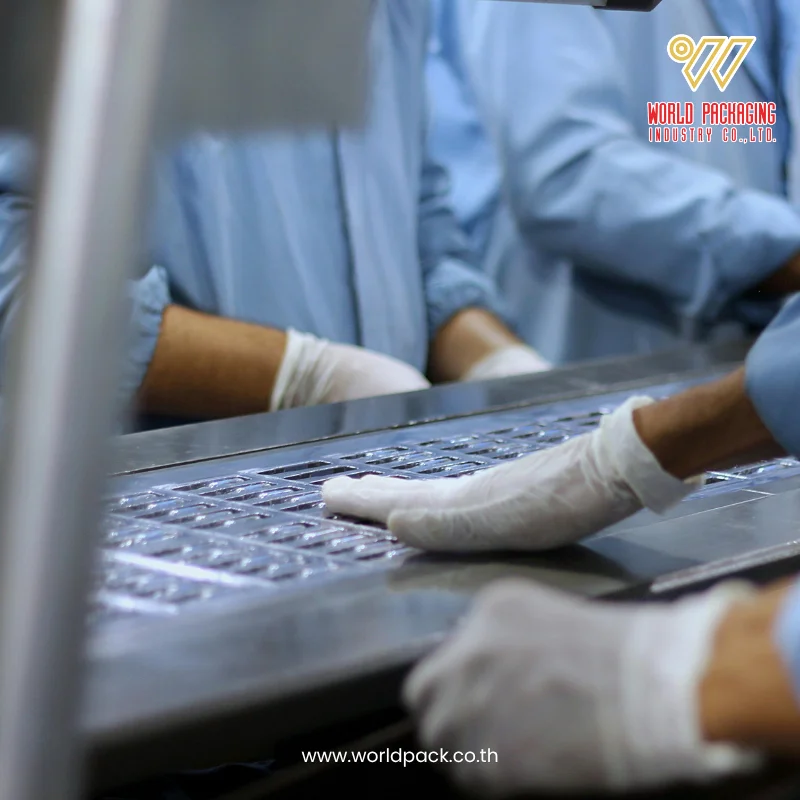
Beyond safety standards, selecting the right technical properties of plastic films is essential for preserving the quality and effectiveness of medicines over an extended period.
1. Light and Ultraviolet (UV) Protection to Prevent Product Degradation
Many medicines and vitamins are sensitive to sunlight and UV radiation, which can cause them to deteriorate. Therefore, pharmaceutical pouches are often manufactured using plastic films with an aluminum foil or metallized layer. Depending on the material structure, these layers can provide excellent light-barrier properties, helping prevent light exposure from degrading the contents.
2. Moisture and Oxygen Barrier Performance to Protect Product Quality
Moisture in the air is a major cause of tablets becoming soft, dissolving, or developing mold under suitable conditions. Oxygen can also trigger oxidation reactions that degrade active ingredients. Choosing a multilayer laminated film structure with low water vapor and oxygen transmission rates helps protect product quality and maintain shelf life.
3. Seal Strength and Integrity to Prevent Air and Moisture Ingress
The sealed edges of pharmaceutical pouches must be strong, durable, and securely heat-sealed. The innermost layer should use a suitable heat-sealable material, such as an appropriate grade of polyethylene (PE), to create a reliable seal and withstand the stresses encountered during handling and transportation. Proper seal integrity helps prevent air and moisture from entering through small defects.
Popular Plastic Packaging Formats for Medicines and Dietary Supplements
Choosing the right plastic packaging format is important for both functionality and visual appeal. Common options include the following:
Single-Dose Pouches for Tablets and Dietary Supplements
Three-Side Seal Pouches are a popular option for packaging small quantities of tablets or dietary supplements, such as a single dose or a one-day trial pack. They are lightweight, easy to tear open, and convenient to carry. When properly designed, they can also provide effective moisture protection, particularly when intended for single-use applications.
Opaque Stand-Up Pouches with Zipper Closures for Larger Quantities
Stand-Up Pouches are suitable for dietary supplements intended for longer-term use, such as multivitamins or capsules supplied in quantities for one to three months. Their self-standing design provides an attractive retail presentation, while an optional high-quality zipper allows repeated opening and closing. However, the level of moisture protection depends on the film structure, zipper design, and overall package integrity.
Manufacture International-Standard Plastic Packaging for Medicines and Dietary Supplements with World Packaging Industry
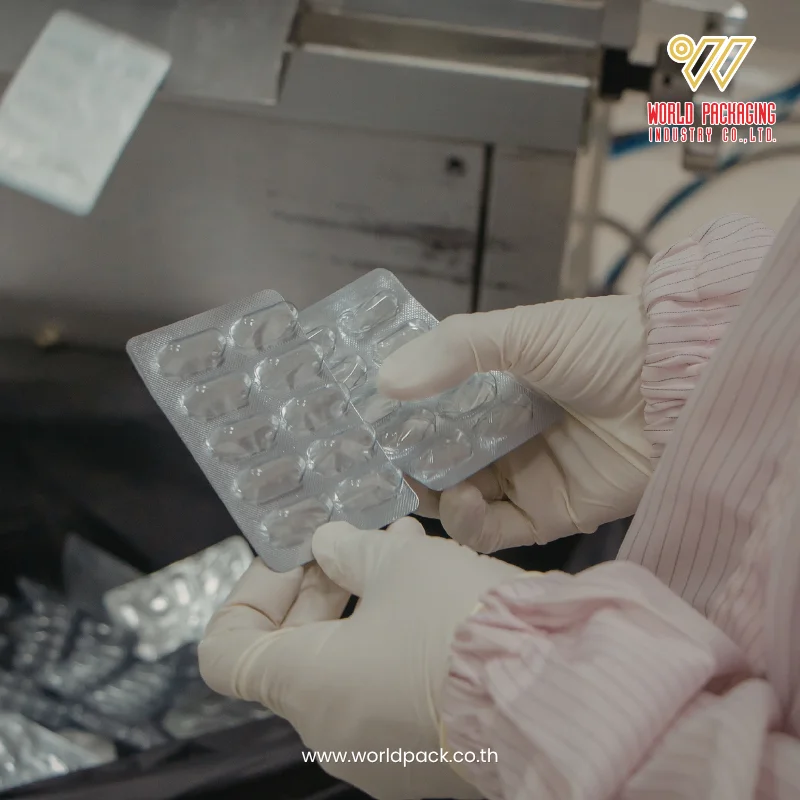
If you are looking for a reliable manufacturing partner for pharmaceutical and dietary supplement packaging, World Packaging Industry is ready to support your needs for medicine pouches and tablet packaging that meet international standards. We select food-grade and medical-grade plastic resins designed for safety and suitability for their intended applications. Our production processes use modern machinery and stringent hygiene controls, alongside advanced gravure printing technology that delivers sharp, vibrant, and attractive designs. These features help give your products a premium, professional appearance while supporting packaging quality and consumer safety.
Frequently Asked Questions (FAQ)
Can clear plastic pouches protect tablets as effectively as opaque aluminum foil pouches?
Clear pouches generally provide less protection against light than opaque aluminum foil pouches. If medicines or dietary supplements are highly sensitive to light, opaque foil packaging may be a more suitable choice, depending on the product's specific protection requirements.
Can pharmaceutical and dietary supplement packaging feature custom-printed designs for branding?
Absolutely. Gravure printing technology can be used to print designs on the outer layer of laminated plastic film, helping create attractive, customized packaging. With an appropriate multilayer structure, the printed ink can be kept separate from the product inside.
Which plastic film structure is best for tablets that are highly sensitive to moisture?
A multilayer laminated structure containing an aluminum foil layer, such as PET/AL/PE, is often a suitable choice because aluminum foil provides an excellent barrier against moisture, gases, and light when properly manufactured and sealed.
What hygiene and quality certifications does World Packaging Industry hold for pharmaceutical pouch manufacturing?
World Packaging Industry states that its factory has ISO quality management certification and internationally recognized hygiene standards for manufacturing. Customers should request the relevant certificates and technical documentation to verify the applicable standards and confirm that the packaging is suitable for direct contact with their specific medicines or food products.
Article Summary
Choosing high-quality plastic pouches for tablets is about more than packaging; it is an important part of protecting consumer health and product quality. Selecting suitable packaging materials that meet applicable food-contact or pharmaceutical requirements and provide effective protection against light, moisture, and oxygen can help preserve the quality of medicines and dietary supplements throughout their intended shelf life. It can also strengthen consumer confidence and enhance your brand's position in the market.
If you are looking for a packaging partner, World Packaging Industry is ready to provide consultation and manufacturing services tailored to your business needs.
LINE: https://lin.ee/gDrTLlv
Tel: 02-897-1434