What Are Vacuum Bags? What Are Their Benefits, and How to Choose the Right One for Your Brand?
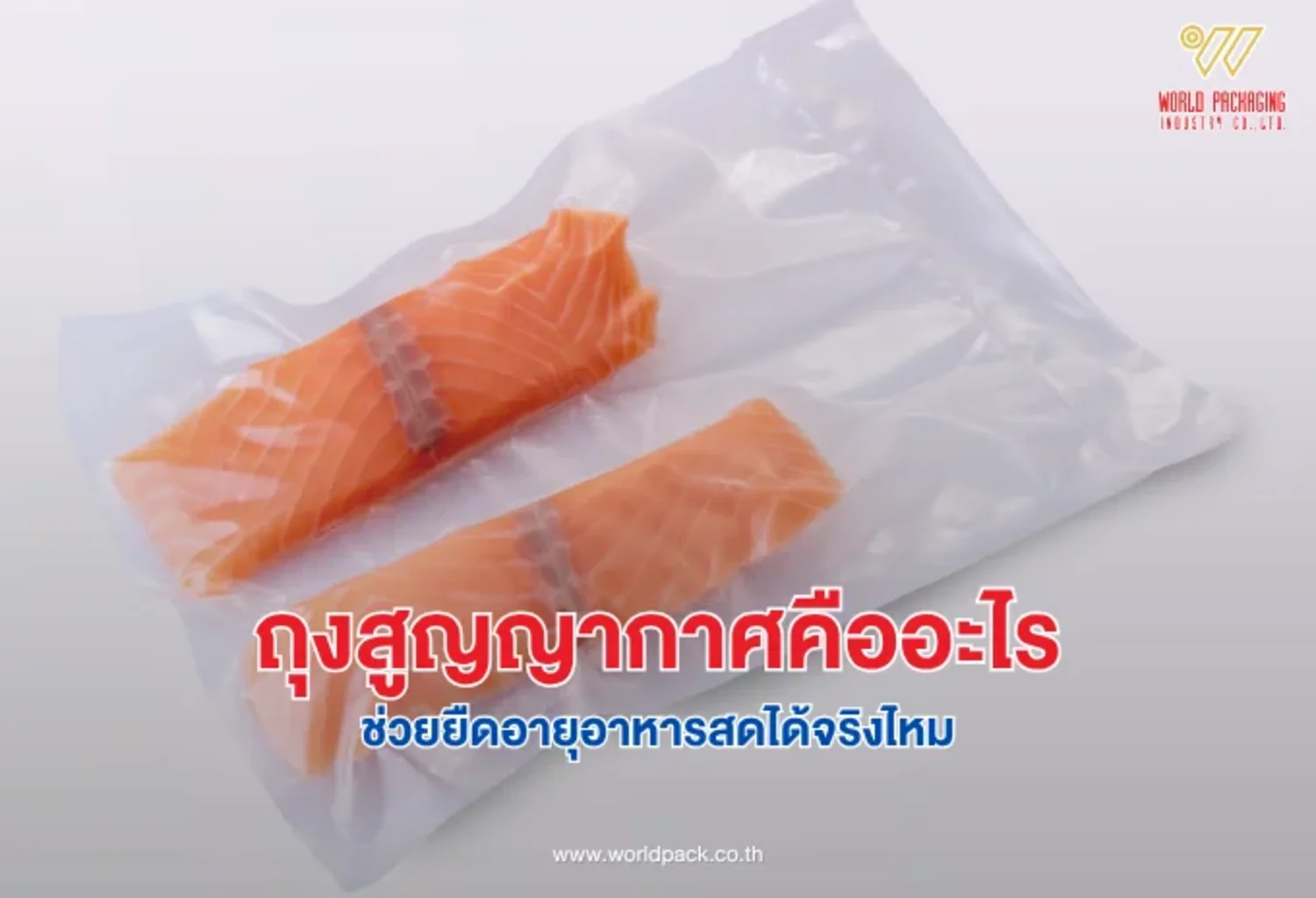
In today’s highly competitive food industry, preserving the quality, freshness, and flavor of ingredients until they reach consumers in the best possible condition is essential. One of the most widely used plastic packaging solutions for this purpose is the vacuum bag.
Many people wonder whether removing air from a bag can genuinely extend the shelf life of food and how businesses can choose the right packaging to maximize value. In this article, World Packaging Industry will guide you through the answers.
Understanding Vacuum Bags: Innovative Packaging for Modern Food Storage
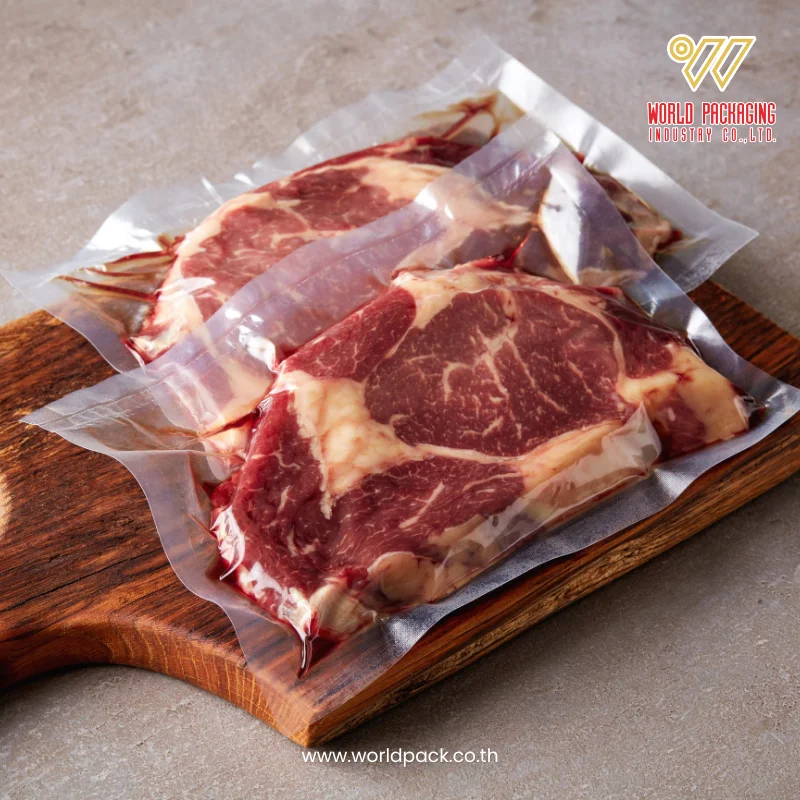
Vacuum bags are specially designed plastic packaging materials intended for use with vacuum sealing machines. During the packaging process, air is extracted from the bag to reduce the amount of oxygen inside. The bag is then sealed tightly using heat, creating a low-oxygen environment that helps protect the contents from external exposure.
This packaging technology is widely used in food preservation because it can help maintain freshness, slow certain forms of food deterioration, and protect product quality when combined with appropriate storage conditions.
Why Can Vacuum-Sealed Bags Really Extend the Shelf Life of Fresh Food?
Vacuum-sealed packaging can help extend the shelf life of fresh foods, such as meat, seafood, and certain fruits and vegetables, compared with conventional packaging. This is primarily because reducing the amount of oxygen inside the package helps limit several processes that contribute to food quality deterioration.
1. Slow the Growth of Certain Bacteria and Microorganisms
Many microorganisms responsible for food spoilage rely on oxygen to grow. Vacuum sealing reduces the oxygen available inside the package, helping slow the growth of certain aerobic bacteria and molds.
However, vacuum packaging does not sterilize food or eliminate all microorganisms. Some harmful bacteria can grow in low-oxygen environments, so proper refrigeration, freezing, and food safety practices remain essential.
2. Reduce Oxidation That Causes Changes in Color, Flavor, and Odor
When fats and other food components react with oxygen in the air, oxidation can occur. This process may cause discoloration, rancid odors, and changes in flavor, particularly in fatty foods.
Vacuum packaging reduces exposure to oxygen, helping slow oxidation and preserve the natural color, flavor, and aroma of many food products during storage.
3. Help Retain Moisture and Protect Food Quality During Storage
Ordinary plastic bags may provide limited protection against moisture loss, especially when the material has inadequate barrier properties or the seals are defective. High-quality vacuum bags with suitable barrier layers and reliable seals help limit moisture loss and protect the natural juices and texture of food.
As a result, properly packaged products may retain more of their original juiciness and eating quality during storage. Nutritional retention and overall quality depend on the food type, packaging materials, and storage conditions.
4. Help Prevent Freezer Burn and Keep Meat from Drying Out
Businesses that store fresh food in freezers may encounter freezer burn, a condition in which the surface of frozen food becomes dry, discolored, and tough because of moisture loss and exposure to air.
Vacuum bags fit closely around the food, reducing the amount of trapped air and limiting moisture loss when the packaging has suitable barrier properties and remains properly sealed. This helps reduce the risk of freezer burn and maintain the quality of frozen meat and other foods.
Benefits of Choosing Vacuum-Sealed Bags
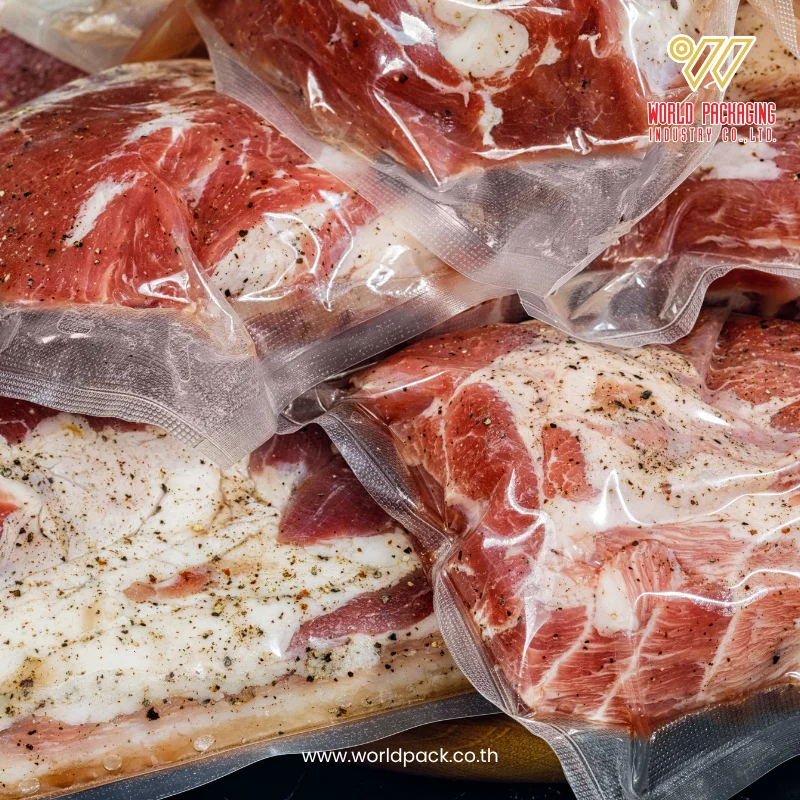
Beyond food preservation, switching to vacuum-sealed packaging can provide significant competitive advantages for food brands and businesses in several ways.
Expand Market Reach and Extend Product Distribution Opportunities
When the shelf life of food products is extended under appropriate storage conditions, brands may be able to distribute their products to more distant locations, including other provinces and international markets. Vacuum packaging can help reduce spoilage during distribution when combined with proper temperature control. It can also help minimize food waste by reducing premature product deterioration.
Optimize Storage Space and Reduce Transportation Costs
Removing air from the package allows the bag to fit closely around the product, reducing excess packaging volume. This can help businesses optimize storage space in refrigerators, freezers, and warehouses. Depending on the product shape and packaging format, the reduced volume may also allow more units to be transported per shipment, helping improve logistics efficiency and control transportation costs.
Enhance Product Presentation with a Premium, Clean, and Reliable Image
Well-designed vacuum bags that fit neatly around the product and provide clear product visibility can make food look more appealing and professionally packaged. Suitable food-grade materials and reliable seals can also help demonstrate a commitment to food safety and quality, strengthening consumer confidence and supporting a premium brand positioning.
How to Choose the Right Plastic Material Structure for Vacuum Bags
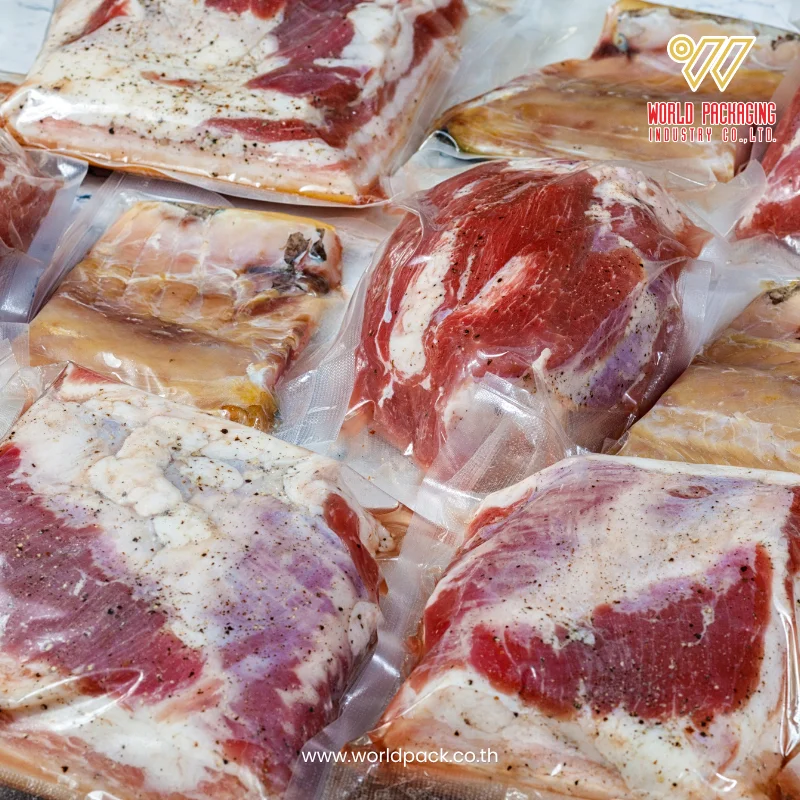
To achieve the best performance from vacuum packaging, businesses need to understand the different plastic material structures available and select the most suitable option for their specific food products.
Nylon/PE Plastic Film Structures: Superior Toughness and Tensile Strength
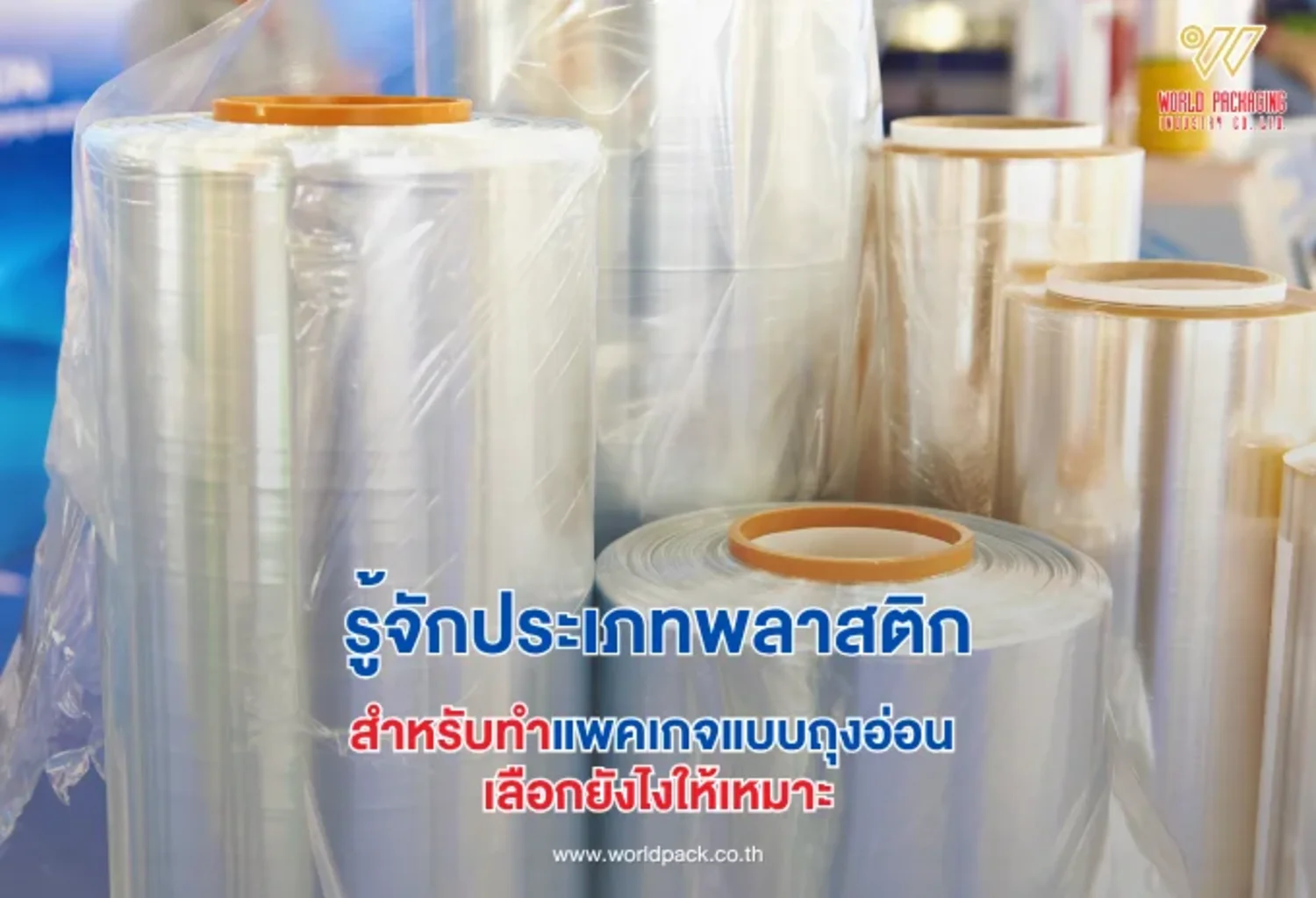
Ordinary plastic bags may not be suitable for vacuum packaging applications. Vacuum bags typically use multilayer films combining Nylon (Polyamide), which offers excellent toughness, tear resistance, and oxygen barrier properties, with PE (Polyethylene), which provides a reliable heat-sealing layer to help create a strong, leak-resistant seal.
This combination helps protect food products during storage, handling, and transportation while maintaining package integrity when the appropriate material structure is selected.
Choose the Right Bag Thickness for the Type and Shape of Food
For soft foods without sharp edges, a standard-thickness vacuum bag may be sufficient. However, heavier products or foods with sharp components, such as pork ribs and shellfish, may require thicker vacuum bags, such as 100–120 microns or more, to improve puncture resistance and reduce the risk of air leakage.
The ideal thickness depends on the product's weight, shape, storage conditions, and handling requirements. Testing the packaging with the actual product is recommended to ensure reliable performance.
Upgrade Your Fresh Food Packaging to International Standards with World Packaging Industry
If you are a brand owner looking for plastic packaging for fresh food, World Packaging Industry is ready to be your trusted manufacturing partner, offering consultation and custom production of high-quality vacuum bags.
We select food-grade plastic films designed to meet applicable food-contact safety requirements and use modern manufacturing technology to produce packaging with strong seals and excellent durability. Our solutions can be tailored to meet specific requirements for tensile strength and low-temperature storage.
We also offer gravure printing for vibrant colors, sharp graphics, and customized brand logos, helping your products stand out in the market and build consumer confidence.
Frequently Asked Questions (FAQ)
Do Fresh Foods in Vacuum Bags Still Need Refrigeration or Freezing?
Yes. Vacuum packaging does not eliminate all bacteria or make food shelf-stable. Refrigeration or freezing is still essential, depending on the food product and its intended storage conditions. Some harmful bacteria can grow in low-oxygen environments, so proper temperature control and food safety practices are critical.
Can World Packaging Industry Vacuum Bags Be Boiled, Microwaved, or Used for Sous Vide Cooking?
This depends on the specific material structure and its validated temperature limits. Certain packaging structures are designed for heat processing, boiling, or sous vide applications, while others are not suitable for these uses.
Retort pouches are specifically designed for validated high-temperature food-processing conditions and should not be assumed to be interchangeable with ordinary Nylon/PE vacuum bags. Before using any bag for boiling, microwave heating, or sous vide cooking, confirm its intended application and temperature rating with the manufacturer.
Can Ordinary Clear Plastic Bags Be Used with a Vacuum Sealing Machine?
Generally, this is not recommended. Ordinary plastic bags may lack the required oxygen barrier properties, puncture resistance, and heat-sealing performance for vacuum packaging. Some smooth bags are also incompatible with particular vacuum sealing machines. Always select bags designed for the specific machine and packaging application.
Which Vacuum Bags Are Best for Sharp-Boned Products Such as Pork Ribs or Bone-In Meat?
Nylon/PE vacuum bags with enhanced puncture resistance are a suitable option to consider. Thicker structures, such as 120 microns or more, may provide additional protection, depending on the product.
Trimming sharp bone edges or using protective bone guards can further reduce the risk of punctures. Conduct packaging tests under actual storage and transportation conditions before selecting the final specification.
Article Summary
Vacuum bags are an effective packaging solution that can help extend the shelf life of fresh food when combined with appropriate storage temperatures and food safety practices. They help reduce oxygen exposure, slow oxidation, retain moisture, and protect food quality.
Choosing vacuum bags with a suitable plastic structure, adequate durability, and verified food-contact compliance can help minimize product damage, enhance brand presentation, and support long-term business growth.
If you are looking for a reliable packaging partner, World Packaging Industry offers consultation and customized packaging solutions tailored to your business requirements.
LINE: https://lin.ee/gDrTLlv
Phone: 02-897-1434